
 growthjetmedia
 Lyricist reflects on fading respect for songs as 1942: A Love Story returns to theatres.
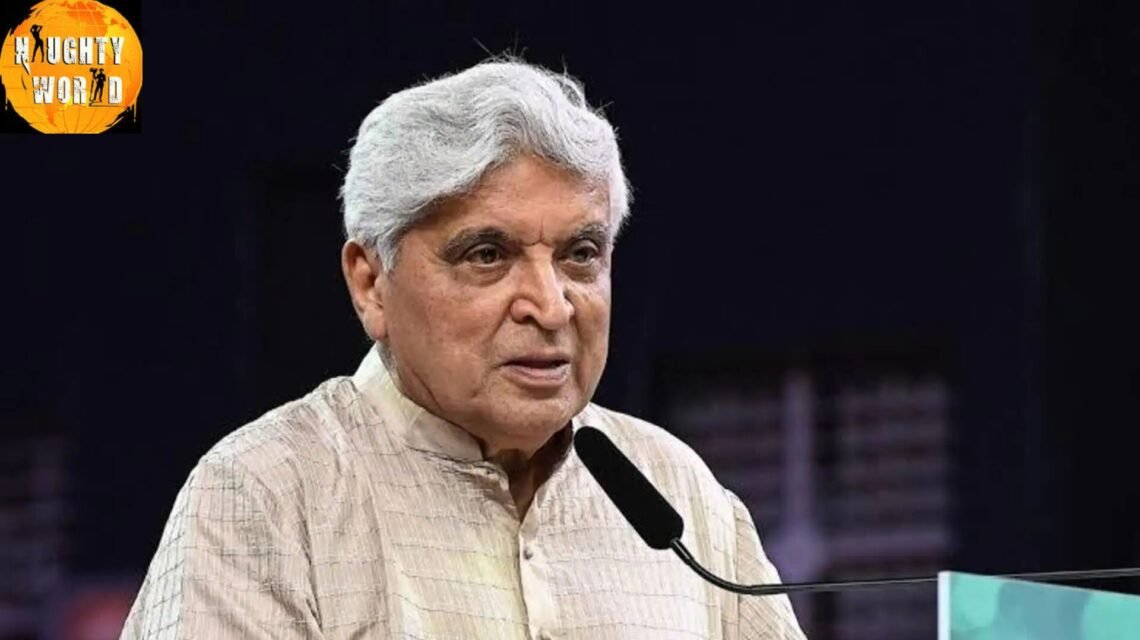
As 1942: A Love Story returns to cinema halls, celebrated lyricist Javed Akhtar has reignited a debate about the role of songs in Indian films. Known for penning some of the most memorable tracks of the 1994 classic, Akhtar expressed concern over how younger audiences perceive music in movies today. He believes that exposure to Western cinema has created a sense of “embarrassment” around the tradition of weaving songs into storytelling, a practice that has long defined Indian cinema.
Akhtar explained that many in the new generation question the logic behind characters suddenly breaking into song. “When the hero sings at a party or in the middle of a scene, people call it fake. But why should art be bound to realism?” he argued. For him, a song’s true value lies not in its realism but in its ability to enrich the cinematic experience. A well-crafted track, he said, can be engaging, seductive, and capable of offering beauty and emotional depth.
Reflecting on the current state of film music, Akhtar lamented that it has become polarized. On one side are songs filled with double meanings, and on the other are tracks that lack any meaning at all. “The space for songs with genuine substance is shrinking,” he observed. This, he believes, is a worrying trend that undermines the cultural and artistic richness Indian music once carried.
His remarks come at a time when contemporary tracks are facing increasing criticism for their lyrical and visual treatment. Songs like Guru Randhawa’s Fine Shyt and Badshah’s Tateeree have been called out for lacking depth, reinforcing Akhtar’s point about the industry’s drift toward extremes.
Akhtar’s reflections serve as both a critique and a reminder. While Western influence has undeniably reshaped audience expectations, he insists that dismissing songs altogether would mean losing a vital part of Indian cinema’s identity. For him, music remains an essential artistic tool—one that, when used thoughtfully, can elevate storytelling beyond the boundaries of realism.
In revisiting 1942: A Love Story, Akhtar not only celebrates the timelessness of its melodies but also urges filmmakers and audiences to reconsider the place of meaningful songs in modern cinema. His words highlight a cultural crossroads: whether Indian film music will continue to embrace its heritage or surrender to trends that strip it of its depth.

 Amitabh Bachchan, a mega-successful person, regrets not learning music.
  Sydney Sweeney’s sports ad sparks online frenzy.
  Andrew Garfield leads Artificial.
  Bollywood stars dive into AI-powered 80’s nostalgia.
  Natalie Portman welcomes third child in Paris.
  Robert Pattinson’s primetime shines at Venice.