

 Jigar Saraswat
 But intermittent fasting is for everyone, and who should take care while practicing must be understood first!
Each person has a different body, so it is most important to understand what your body actually demands before choosing a fitness routine. A large number of people are influenced by watching videos on social media from different influencers. It’s good to gain knowledge, but when applying it to yourself, one should definitely understand their body and health and consult an expert for safe weight and health management.
When it comes to fitness, the first thing that comes to mind is intermittent fasting, which has become more of a trend than a disciplined routine. Whether it is the 16:8 method, where you fast for 16 hours and eat within an eight-hour window, or the 12:12 method, where fasting and eating hours are alternated similarly, intermittent fasting has forms which one can choose according to their health priorities.
Well, renowned dietitian Dr Kanchana Dayanand at Apollo Sugar – Apollo Hospitals, Secunderabad, told HT Lifestyle in an interview that intermittent fasting does not suit everyone. While it has its own advantages, she mentioned it may help improve metabolic health and give the digestive system a break from constantly processing food. A person following intermittent fasting must monitor their health; it should not be followed blindly. Any warning sign should be considered immediately.
Now, who should be extra careful while following intermittent fasting? People with blood sugar-related issues should not start it by themselves. People with Type 2 diabetes, regular high sugar levels and high HbA1c should follow intermittent fasting only under medical guidance. It is also not suggested for people with Type 1 diabetes.
The warning applies to people who may require consistent nutrition for growth and nourishment, as well as those with organ-related ailments.
Pregnant women and lactating mothers are also exempt from following intermittent fasting. Children and teenagers, who need adequate nutrients for bone and muscle strength, are also not advised to follow it. It is also not recommended for people with disease conditions such as renal disorders or cardiac-related concerns.
Always follow any new health routine under the guidance of a qualified health expert.

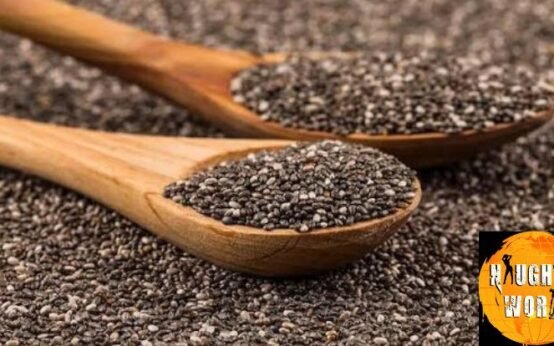 To improve your gut health, doctors suggest having chia seeds.
  IIT Madras and CMC Vellore pioneer AI tools for kidney disease detection
  Hidden calories in “Healthy” foods.
  Apple Cider Vinegar: Risks you shouldn’t ignore.
  India’s battle against Malaria: A decade of progress.
  Foods that sharpen the mind.