
 Ankur Raghav
 Rising maritime traffic and U.S. naval presence challenge Tehran’s authority.
For decades, Iran has asserted dominance over the Strait of Hormuz, one of the world’s most critical energy corridors. Yet recent developments suggest that Tehran’s control is slipping as international shipping increasingly bypasses its chokehold.
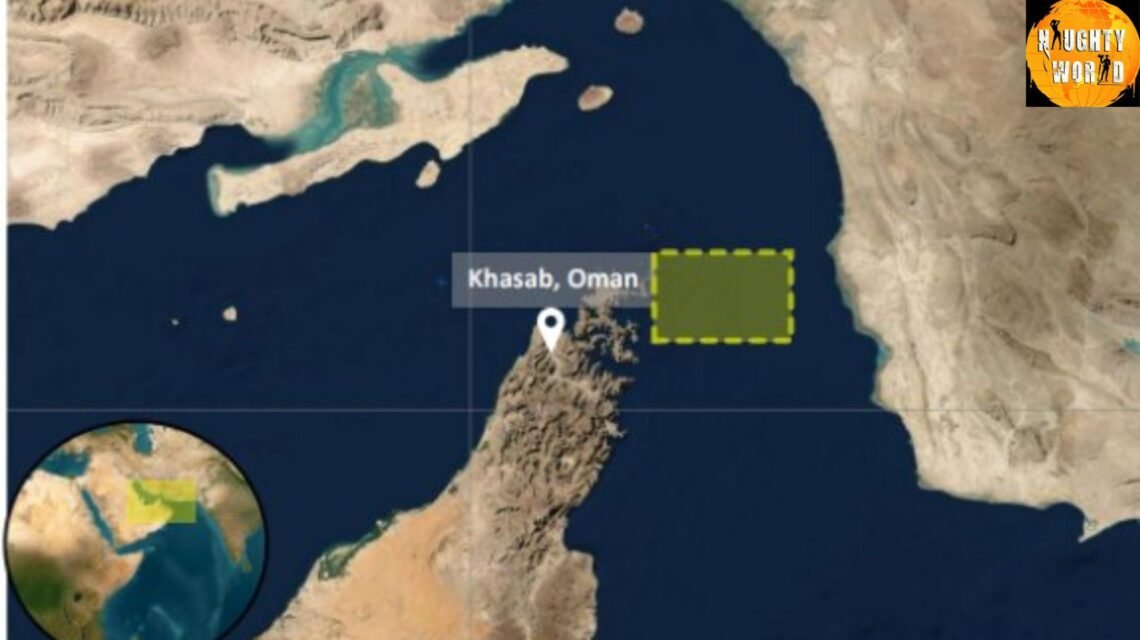
The United States has reinforced its naval blockade in the region, claiming to have neutralized Iranian water mines and secured safe passage for vessels. President Donald Trump even went so far as to declare the strait “open and operating,” underscoring Washington’s determination to undercut Iran’s leverage. While such statements have been made before, new maritime data indicates that this time the U.S. may indeed be shifting the balance.
According to vessel‑tracking platforms, nearly 95 ships transited Hormuz last week, with 118 the week before. Strikingly, about 80 percent of these vessels opted for the Omani route- a United Nations‑authorized shipping channel that Iran opposes. This diversion not only undermines Tehran’s claim of sovereignty but also deprives it of the ability to collect tolls, a source of revenue it had sought to reimpose after the expiration of a U.S.-Iran memorandum of understanding.
Despite Iran’s attempts to intimidate ships using the Omani passage, attacks have not deterred traffic. Instead, Gulf nations such as Saudi Arabia, Kuwait, and the United Arab Emirates have chartered massive oil tankers to move crude safely out of the Persian Gulf. These Very Large Crude Carriers often operate with transponders switched off, creating “dark shipping” that evades Iranian monitoring. Once beyond the danger zone, they transfer oil to smaller vessels in the Gulf of Oman, ensuring uninterrupted exports.
Energy analysts note that combined oil flows through Hormuz and rerouted channels have climbed back to nearly 15 million barrels per day—close to the pre‑war average of 20 million. This rebound suggests that Iran’s attempts to strangle global energy supplies are faltering.
The geopolitical implications are significant. Tehran’s inability to enforce tolls or block traffic weakens its bargaining power, while Washington’s naval presence bolsters confidence among shippers. For regional producers, the Omani route offers a practical solution that avoids Iranian interference.
As maritime traffic continues to rise, Iran’s once‑formidable grip on the Strait of Hormuz appears to be loosening. What was long considered Tehran’s trump card in global energy politics may now be slipping from its hands, reshaping the strategic calculus of the Gulf and beyond.

 Mortgage rates are rising each day; recently, they are nearly 6.91%
 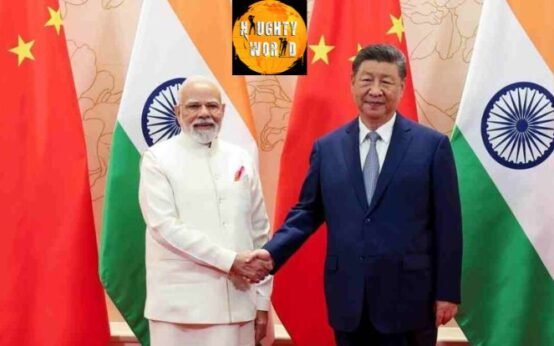 Xi Jinping’s India visit signals diplomatic reset.
 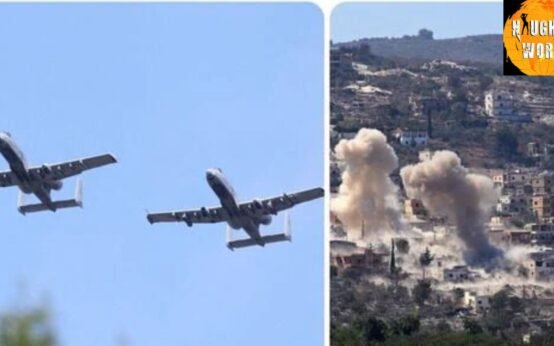 Iranian strike damages US warplanes in Jordan.
 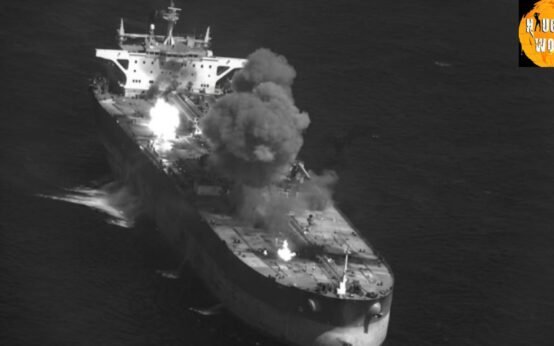 US strikes Iranian tankers after warship attacks.
  UAE’s warning ignored: Netanyahu under fire over Hamas attack.
  Singapore confronts online racism amid rising Xenophobia.