
 Jigar Saraswat
 Why nutrition, lifestyle, and early care matter more than supplements alone
For decades, strong bones have been equated with a glass of milk or a daily calcium tablet. While calcium is undeniably important, it is far from the only factor that determines skeletal strength. Many adults continue to face osteoporosis, fractures, and joint weakness despite adequate calcium intake. According to orthopaedic consultant Dr. Rohit Jain, bone health is a complex interplay of nutrients, exercise, hormones, and preventive care.
Bones as living tissue
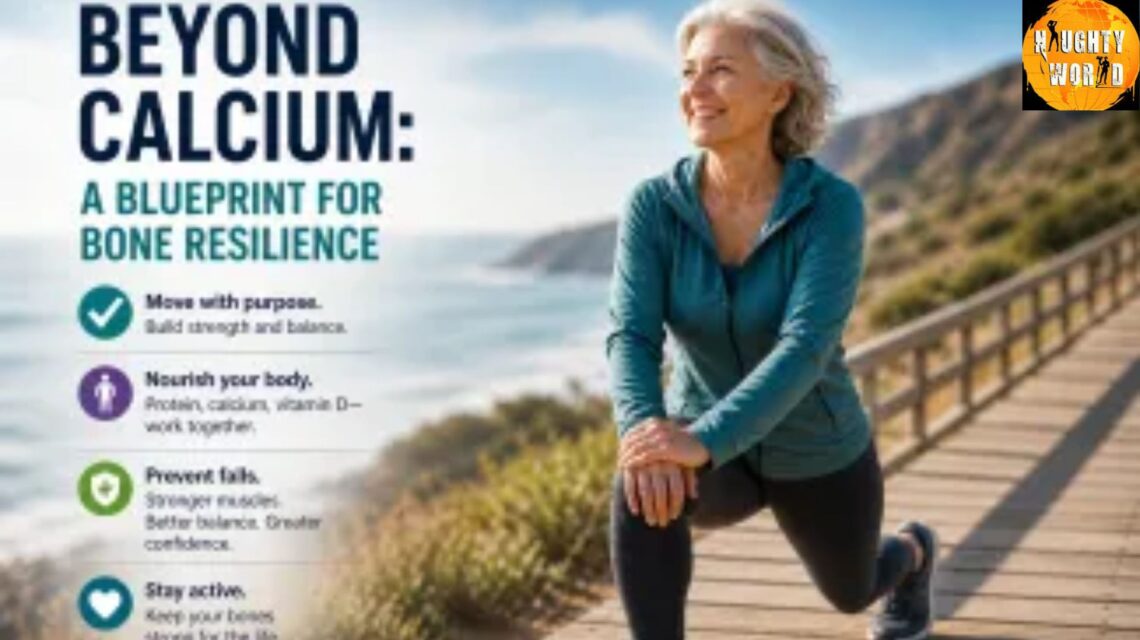
Bones are not static structures; they constantly renew themselves. Calcium provides the mineral base, but without vitamin D, the body cannot absorb or utilize it effectively. Proteins form the scaffolding that supports mineral deposits, while magnesium, phosphorus, and vitamin K contribute to bone density and resilience. Relying solely on calcium supplements without these complementary nutrients leaves bones vulnerable.
Lifestyle choices shape bone strength.
Modern sedentary habits, long hours at desks, limited outdoor activity, and processed diets—quietly erode bone health. Dr. Jain emphasizes that smoking, excessive alcohol, and inactivity accelerate bone loss. On the other hand, weight-bearing exercises such as brisk walking, stair climbing, yoga, and resistance training stimulate bone formation by applying healthy stress to the skeleton.
Sunlight and diet: natural allies
Vitamin D, produced through regular sunlight exposure, is essential for calcium absorption. A balanced diet rich in dairy products, ragi (finger millet), sesame seeds, pulses, eggs, fish, and leafy greens provide the nutrients bones need daily. Supplements cannot replace the benefits of wholesome food and consistent lifestyle habits.
Silent onset of bone loss
Bone deterioration often begins unnoticed after the age of 40. Contrary to popular belief, osteoporosis is not limited to older women. Men with diabetes, obesity, kidney disease, or long-term steroid use are equally at risk. Women, however, experience accelerated bone loss after menopause due to declining oestrogen levels. Waiting for pain or fractures to appear means missing crucial years of prevention.
Prevention through awareness
Dr. Jain advises periodic bone mineral density testing for those with risk factors or a family history of osteoporosis. Early diagnosis allows timely intervention, reducing the likelihood of fractures and long-term complications.
The bigger picture
Strong bones are built through everyday habits, not quick fixes. Nutrition, exercise, sunlight, and regular check-ups together form the foundation of lifelong skeletal health. Calcium may be the headline nutrient, but it is only one chapter in the larger story of bone strength.

 Learn a quick, beautiful makeup method from Janhvi Kapoor.
  Restaurant-style bharwaan tamatar.
  From Finland’s silence to Mumbai’s symphony.
  Mastering Tandoori: The science of smoke and spice.
  Balancing Protein and Fibre for lasting health.
  A woman is seen making a reel as her baby crawls towards the bridge edge behind her.