
 Ankur Raghav
 Allegations against Trump’s envoy and Kushner stir diplomatic Tensions.
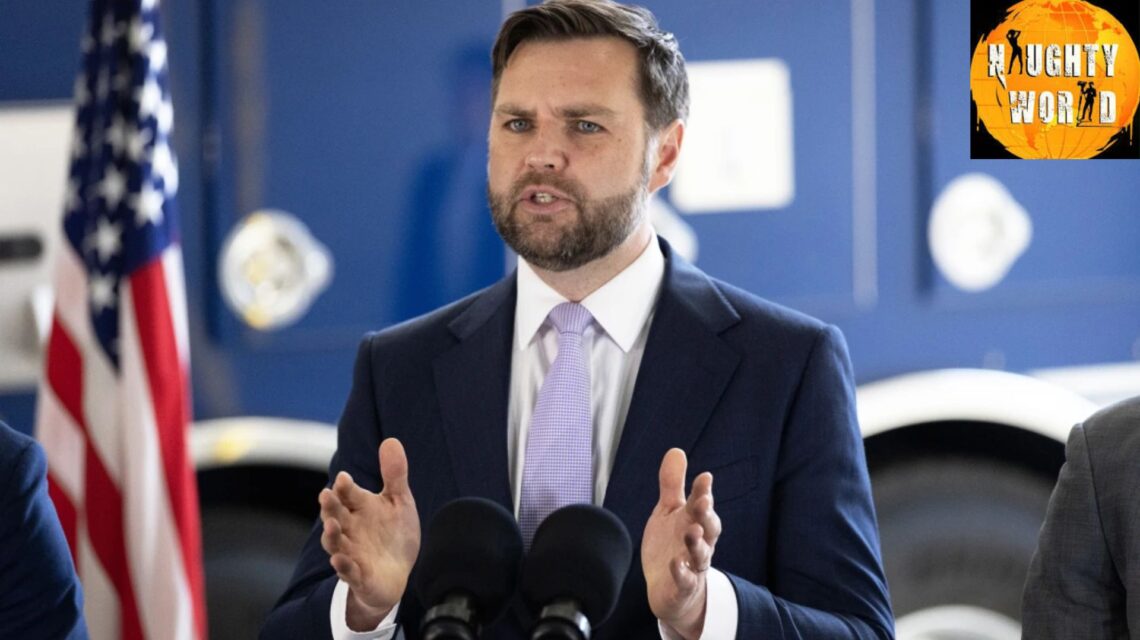
In late June, during indirect negotiations in Switzerland, Iranian officials reportedly sent a confidential message to U.S. Vice President JD Vance. According to the investigative outlet Drop Site, Tehran expressed concern that President Donald Trump’s special envoy, Steve Witkoff, and his son-in-law, Jared Kushner, were undermining efforts to transform the June 17 Memorandum of Understanding (MoU) into a lasting agreement.
A senior Iranian official, speaking anonymously, claimed the message was delivered through intermediaries after earlier attempts to raise similar issues via mediators failed. Iran accused Witkoff and Kushner of prioritizing personal financial interests over diplomacy, suggesting they exploited insider knowledge from the talks to manipulate markets.
The official further alleged that Witkoff had shown “no connection to diplomacy” during rounds of negotiations in Oman and Switzerland, eroding Tehran’s trust in his role. Kushner, meanwhile, was accused of repeatedly sharing sensitive information with Israeli Prime Minister Benjamin Netanyahu and officials from Mossad. Reports also suggested that both Witkoff and Kushner maintained near-daily communication with Israeli leadership throughout the negotiation process.
Iran’s negotiators claimed they provided written material to mediators before the MoU was signed, warning that individuals close to Trump were “abusing” the diplomatic process and disrupting the atmosphere of the talks. They insisted that data and assessments were transmitted directly to Vice President Vance through a secure channel, highlighting their loss of confidence in Trump’s envoys.
The White House has strongly denied these allegations, dismissing them as unfounded. U.S. officials maintain that the administration remains committed to pursuing a durable agreement with Iran despite the accusations.
This episode underscores the fragile nature of the negotiations and the deep mistrust between the two sides. If Iran’s claims are accurate, the involvement of Trump’s inner circle could complicate efforts to stabilize relations and finalize the MoU. At the same time, Washington’s denial reflects the contested narrative surrounding the talks, leaving the future of the agreement uncertain.
The controversy illustrates how personal networks and backchannel communications can influence high-stakes diplomacy. Whether these allegations prove true or not, they highlight the challenges of maintaining trust in negotiations where political, financial, and strategic interests collide.

 Mortgage rates are rising each day; recently, they are nearly 6.91%
  Xi Jinping’s India visit signals diplomatic reset.
  Iranian strike damages US warplanes in Jordan.
  US strikes Iranian tankers after warship attacks.
  UAE’s warning ignored: Netanyahu under fire over Hamas attack.
  Singapore confronts online racism amid rising Xenophobia.