
 Ankur Raghav
 Tariff authority could target India and China amid energy trade tensions.
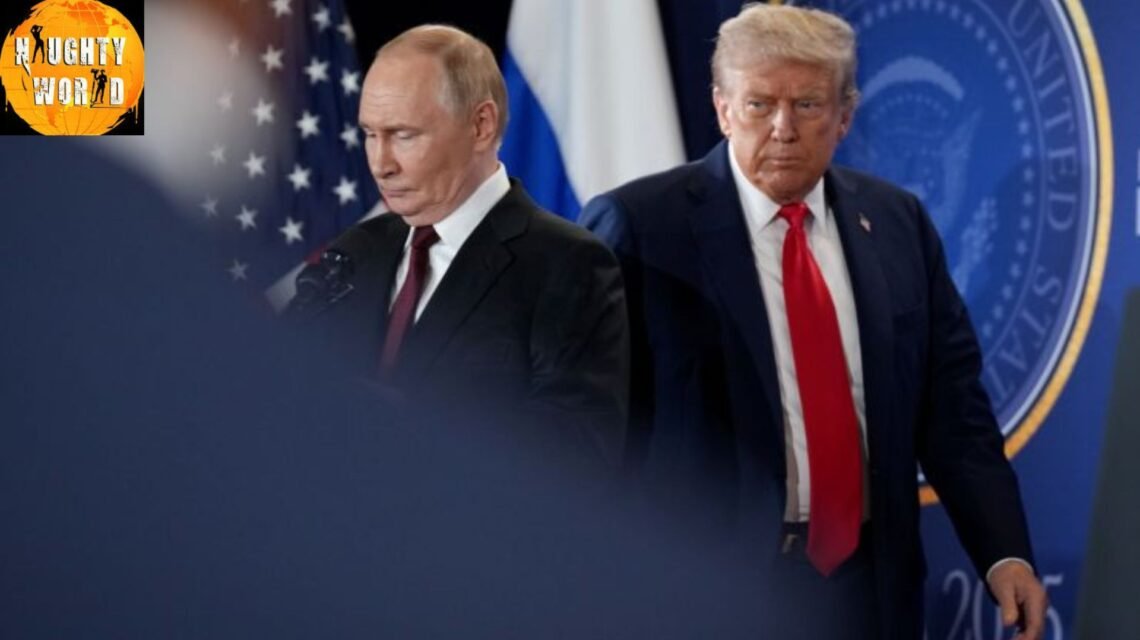
The United States Senate has taken a decisive step toward tightening economic pressure on Russia, advancing a bipartisan sanctions bill that could reshape global trade dynamics. The legislation, passed with an overwhelming 86–12 vote, grants President Donald Trump the authority to impose tariffs of up to 100 percent on goods from countries that remain major buyers of Russian oil and natural gas, most notably China and India.
The bill, named in honour of the late Senator Lindsey Graham, represents the culmination of his year-long effort to rally support for stronger measures against Moscow. Graham, a vocal critic of Russian aggression, died unexpectedly earlier this month. His colleagues marked the occasion by pushing forward the legislation shortly after Ukrainian President Volodymyr Zelensky visited Capitol Hill to pay tribute to him.
Key Provisions
The measure expands sanctions against Russian officials, oligarchs, financial institutions, and the so-called “shadow fleet” used to circumvent restrictions on energy exports. It also extends penalties targeting Iran’s energy and weapons sectors, a provision added at Trump’s request. Importantly, the bill includes exceptions for countries that import less than 15 percent of their natural gas from Russia and are actively reducing those purchases.
Supporters argue that cutting off Russia’s energy revenue is essential to weakening President Vladimir Putin’s ability to finance the ongoing war in Ukraine, now in its fifth year. “There is no greater way to honour Senator Graham’s legacy than to move forward with this bipartisan agreement,” a group of senators stated jointly.
Political and Economic Concerns
While the legislation enjoys broad bipartisan backing, some Democrats have voiced unease over the tariff provisions. Critics warn that giving Trump sweeping authority to impose 100 percent tariffs could raise costs for American consumers and strain relations with European allies who also rely on Russian energy.
The bill’s passage in the Senate is only the first step. It must still clear the House of Representatives, which has already adjourned for its summer recess. This means the earliest consideration will likely come in September, delaying any immediate implementation.
Global Implications
If enacted, the legislation could significantly impact trade flows with India and China, two of the largest importers of Russian energy. For Washington, the move signals a willingness to extend sanctions beyond Russia itself, targeting its economic partners to choke off revenue streams. For global markets, it raises questions about supply chains, energy security, and the balance of power in international trade.

 Mortgage rates are rising each day; recently, they are nearly 6.91%
 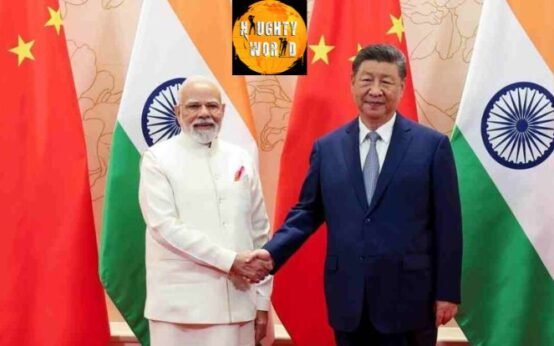 Xi Jinping’s India visit signals diplomatic reset.
  Iranian strike damages US warplanes in Jordan.
 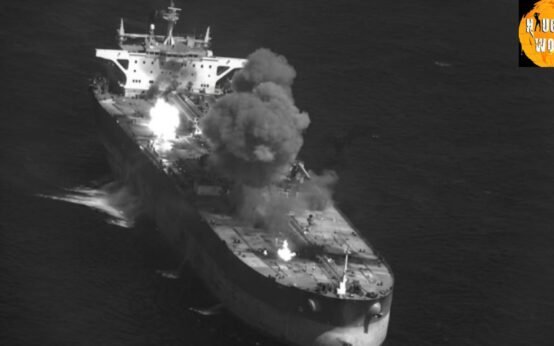 US strikes Iranian tankers after warship attacks.
  UAE’s warning ignored: Netanyahu under fire over Hamas attack.
  Singapore confronts online racism amid rising Xenophobia.