
 Ankur Raghav
 US forces intercept attack on base in Jordan, diplomatic talks still on table.
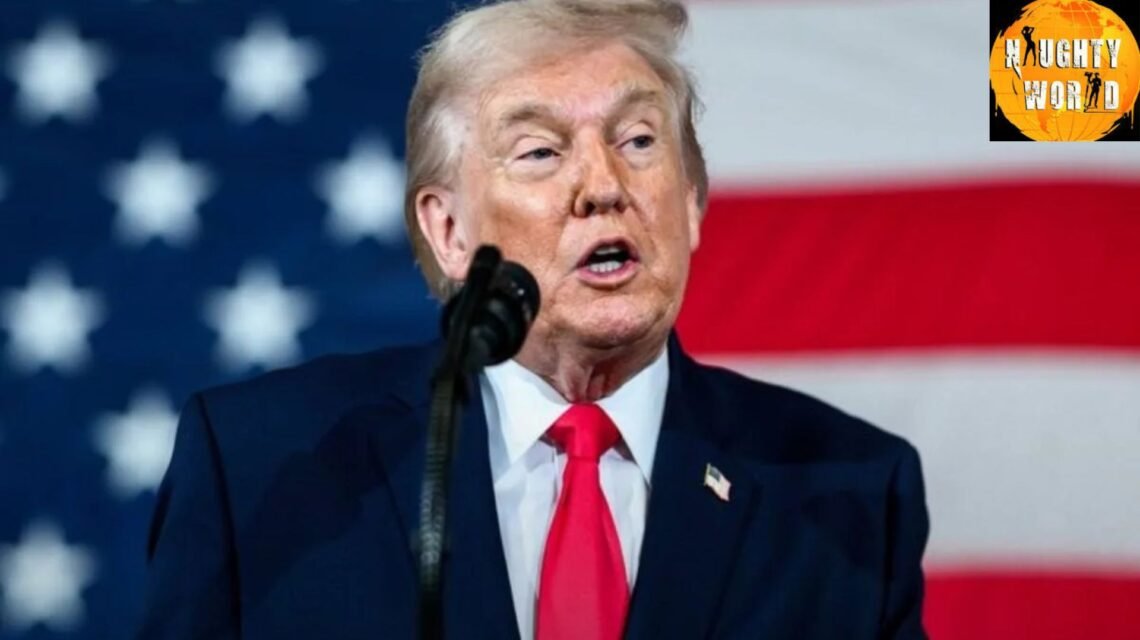
Tensions between Washington and Tehran escalated sharply after Iran’s Islamic Revolutionary Guard Corps launched a barrage of ballistic missiles aimed at American forces stationed in the Middle East. According to US Central Command (CENTCOM), the missiles were fired late Tuesday in what officials described as an attempted “surprise attack.” All incoming projectiles were intercepted before reaching their intended target, reportedly a US military base in Jordan, ensuring no casualties or damage.
President Donald Trump reacted with unfiltered language during a phone interview with Fox News, vowing that Iran would face severe consequences. “We’re going to beat the f*ing st out of them. They’re going to get a beating,” he declared, emphasizing that the United States would respond with overwhelming force if Tehran continued its aggression.
Trump recounted watching footage of US personnel tracking the missiles in real time, calling out coordinates and intercepting them within minutes. He praised the swift response of American troops, noting that none of the Iranian fire penetrated US defences.
The strike comes amid heightened regional volatility, with Washington recently conducting joint operations alongside Saudi forces against Iran‑backed militias in Iraq. Trump defended those actions, describing the militias as a “cancer on the world” and signalling that the US intends to maintain pressure on Tehran’s allies across the region.
Despite his fiery rhetoric, Trump also stressed that diplomatic channels remain open. He indicated that American negotiators would continue talks with Iranian officials, even as military tensions rise. This dual approach reflects Washington’s strategy of combining deterrence with dialogue, aiming to prevent further escalation while keeping the possibility of negotiation alive.
The incident underscores the fragile balance in US‑Iran relations. While the interception of missiles avoided immediate disaster, the attack highlights the risks of miscalculation in a region already burdened by conflict. Analysts warn that continued tit‑for‑tat strikes could push both nations closer to open confrontation, though both sides have reasons to avoid a full‑scale war.
For now, the United States is projecting strength while signalling willingness to engage diplomatically. Whether this combination of military resolve and negotiation will stabilize the situation- or inflame it furtherremains uncertain.

 Mortgage rates are rising each day; recently, they are nearly 6.91%
 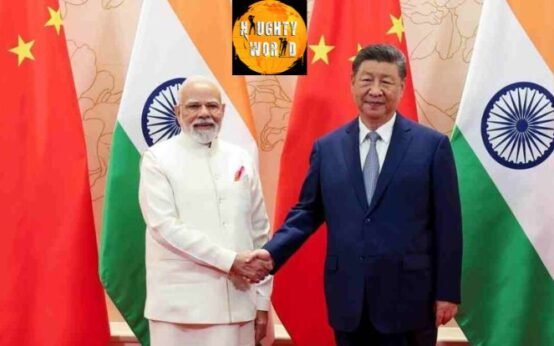 Xi Jinping’s India visit signals diplomatic reset.
 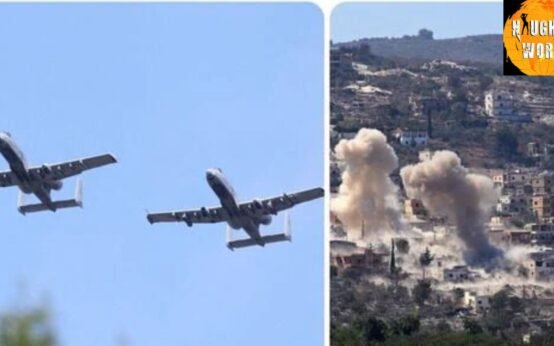 Iranian strike damages US warplanes in Jordan.
 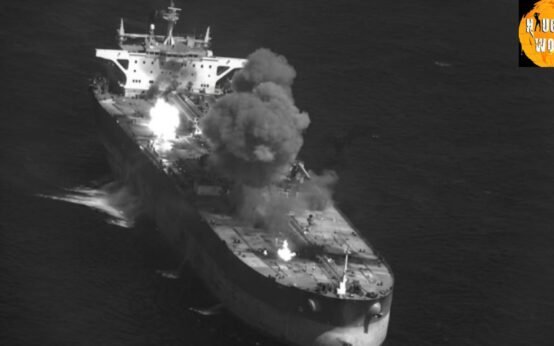 US strikes Iranian tankers after warship attacks.
  UAE’s warning ignored: Netanyahu under fire over Hamas attack.
  Singapore confronts online racism amid rising Xenophobia.