

 Ankur Raghav
 Calls for accountability and compensation from major emitters.
Nepal has made a formal appeal to the Fund for Responding to Loss and Damage, seeking urgent financial support following the catastrophic flash flood in the Bhotekoshi River basin on August 26. Triggered by a glacial collapse near the Tibet-Nepal border, the disaster unleashed torrents of icy water, rocks, and debris that devastated villages across three districts. Rescue teams have so far recovered more than 1,100 bodies, while nearly 4,500 people remain missing, underscoring the scale of destruction.
From Aid to Justice
Foreign Minister Shisir Khanal emphasized that Nepal’s diplomatic approach is shifting from traditional disaster relief to a demand for climate justice and compensation. He argued that wealthy nations, responsible for the bulk of global emissions, must recognize their moral obligation toward vulnerable countries like Nepal.
“We are paying the ultimate price for a crisis we did not create. These mountain tsunamis are direct consequences of global climate change,” Khanal stated in a televised interview.
A Regional Survival Issue
Khanal warned that the disappearance of Himalayan glaciers would have far-reaching consequences for South Asia’s water security, affecting rivers such as the Ganges and Trishuli that sustain over two billion people. He stressed that Nepal’s advocacy extends beyond national borders, framing the issue as one of civilizational survival.
Nepal’s finance ministry has already dispatched a formal compensation claim letter to international partners, noting that the losses far exceed the country’s immediate response capacity. The government insists that this is not merely about relief but about holding major emitters accountable for the disproportionate burden borne by climate-vulnerable nations.
India’s Position
India has reiterated its commitment to climate equity, highlighting its relatively low per-capita emissions compared to industrialized nations. New Delhi supports mechanisms to address loss and damage. Still, it maintains that historical responsibility lies primarily with Western countries, which consumed most of the global carbon budget during their early industrialization.
Global Mechanism in Action
The Loss and Damage Fund, established at COP27 (2022) and operationalized at COP28, was designed to provide financial support to nations hit hardest by climate-linked disasters. Nepal’s urgent appeal represents one of the most significant claims since the fund’s inception, spotlighting the growing demand for climate accountability on the world stage.

 India assists families in identifying flood victims in Nepal.
 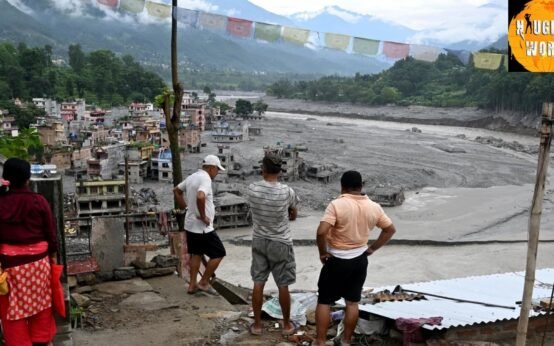 Nepal issues fresh flood alert as death toll surpasses 900.
  India, Uzbekistan seal Uranium supply pact.
 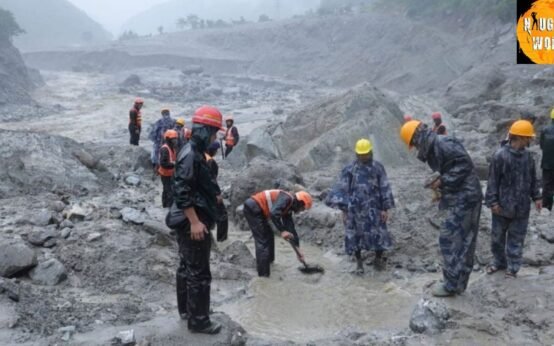 Nepal hydropower projects in crisis as hundreds remain missing after floods.
 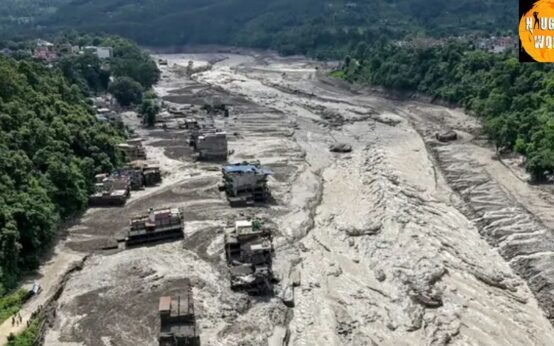 Nepal floods claim 579 lives, hundreds still missing.
  Sadhguru mourns as 80 Isha devotees go missing in Nepal flood.