
 Kritika Gaur
 Why portion control is the real key to balanced eating.
In the pursuit of healthier eating, many people swap traditional snacks and desserts for options that sound more nutritious. Granola replaces biscuits, smoothies stand in for desserts, nuts substitute chips, and homemade laddus made with jaggery and dates replace refined sugar sweets. While these choices may seem better, one common mistake persists: assuming that food is automatically healthy simply because of its ingredients.
Nutrition and wellness expert Eshanka Wahi highlights that even nutrient-rich foods can contribute to excess calorie intake if portion sizes are ignored. The idea is not to eliminate these foods but to understand what goes into them and how much is being consumed.
1. Granola
Granola is often marketed as a wholesome breakfast because of oats, nuts, and seeds. However, packaged versions frequently contain added sugars, syrups, or honey. The bigger issue is serving size- most people pour far more than the recommended portion, unknowingly increasing calorie intake. Reading ingredient lists and nutrition labels is essential to avoid hidden sugars.
2. Nuts and Nut Butter
Nuts are packed with healthy fats, protein, and fibre, while nut butters offer convenience. Yet, they are calorie-dense, and eating directly from a jar or large packet makes portion control difficult. A handful of nuts or a measured spoon of nut butter is enough; mindless snacking adds up quickly.
3. Smoothies
Smoothies can be a nutritious way to include fruit and dairy, but combining multiple calorie-rich ingredientssuch as bananas, honey, nut butter, and yoghurtcan turn them into heavy meals. Keeping recipes simple and limiting add-ons helps keep them light and balanced.
4. Dried Fruits
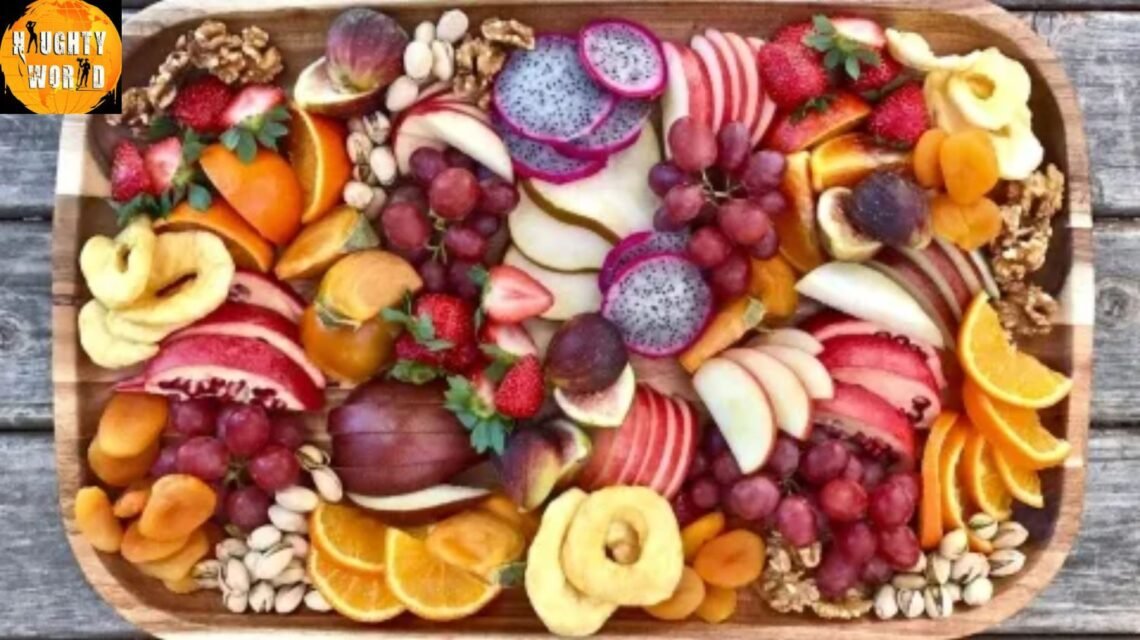
Dried fruits retain nutrients but are more concentrated than fresh fruit. A small bowl of raisins or dates can contain far more calories than expected. Because they look small, it’s easy to overeat. Treat dried fruits as concentrated energy sources and consume them in moderation.
5. Homemade Laddus
Replacing refined sugar with jaggery or dates in laddus improves nutrition, but these sweets are still calorie-rich. Nuts, seeds, and ghee add density, meaning portion control remains just as important. A healthier recipe does not make the food unlimited.
The Bottom Line
Healthy foods are not inherently “free” foods. Portion size, preparation methods, and ingredient combinations matter as much as the nutritional profile. By being mindful of servings and reading labels carefully, these foods can remain part of a balanced diet without contributing hidden calories.

 Apple Cider Vinegar: Risks you shouldn’t ignore.
  India’s battle against Malaria: A decade of progress.
  Foods that sharpen the mind.
  Every Indian can naturally increase collagen without taking supplements.
  Crash Diets: The hidden cost of quick weight loss.
  India’s organ transplant surge: progress amid persistent donor shortage.