
 growthjetmedia
 Targeted strategies drive 80% decline, but challenges persist in key districts.
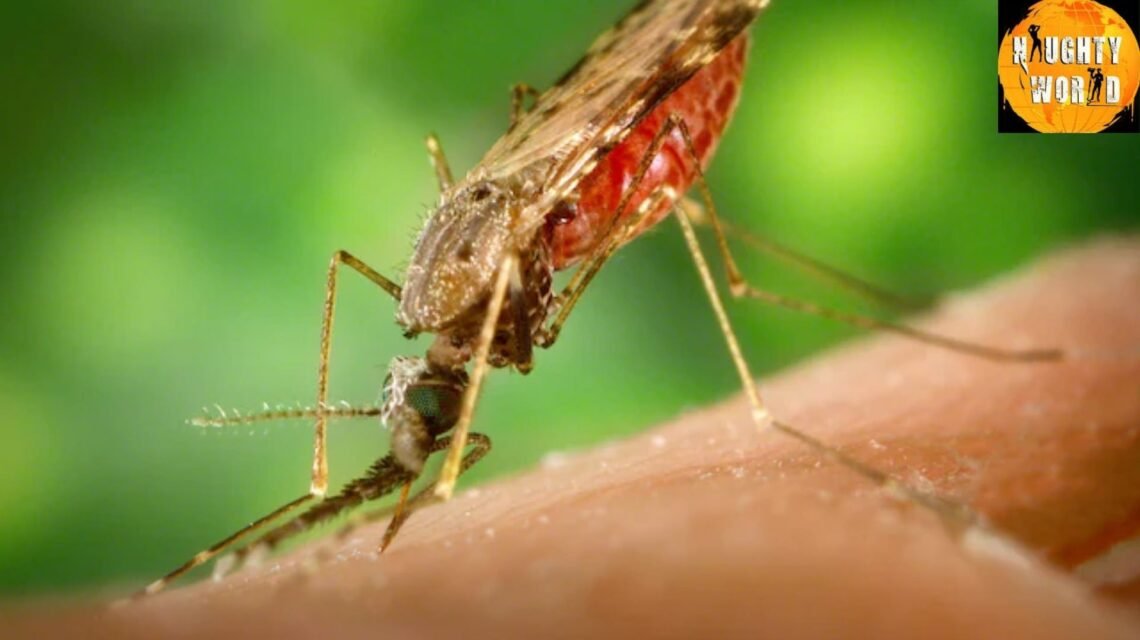
Over the past decade, India has achieved remarkable success in reducing malaria, recording nearly an 80% drop in both cases and deaths between 2015 and 2025. Once spread across 155 high-burden districts, the disease is now concentrated in just 33, while 160 districts reported zero indigenous cases between 2022 and 2025. This transformation marks a turning point in India’s public health journey, but the path to complete elimination remains complex.
The drivers of decline
India’s progress stems from a multi-pronged approach. Enhanced surveillance, early diagnosis, and effective treatment have been central to the fight. Widespread distribution of long-lasting insecticidal nets, indoor spraying, and artemisinin-based combination therapy for severe cases have significantly curbed transmission. Importantly, the government shifted from a uniform national strategy to a district-level, data-driven model, tailoring interventions to local conditions such as climate, mosquito ecology, and population vulnerability.
The National Framework for Malaria Elimination (2016–2030) redefined the mission from controlling malaria to interrupting transmission altogether. This strategic pivot, supported by WHO, has enabled India to move toward its elimination target steadily.
Why malaria persists in 33 districts
Despite national gains, malaria remains entrenched in tribal and forested regions of states like Odisha, Chhattisgarh, Jharkhand, Mizoram, Tripura, and parts of the Northeast. These areas face unique challenges: dense forests, difficult terrain, limited access to healthcare, and occupational exposure to mosquitoes. Plasmodium falciparum, the deadlier strain, dominates in these regions, while Plasmodium vivax continues to affect other states. Environmental factors such as rainfall, humidity, and waterlogging further complicate eradication efforts, sustaining mosquito breeding and transmission cycles.
The road ahead
India’s “Test, Treat, Track” strategy is now critical. Rapid diagnostic testing and timely treatment are essential to prevent complications and reduce transmission. As cases decline, surveillance must become sharper to detect scattered infections quickly. The Health Ministry has emphasized improving data quality, ensuring uninterrupted access to medicines, and strengthening coordination with local governance bodies to manage mosquito-breeding environments.
While India aims for malaria-free status by 2027 and full elimination by 2030, experts caution against complacency. Global malaria figures remain high, and resurgence is possible if vigilance lapses. The final stretch demands precision elimination- targeting hotspots, protecting vulnerable communities, and sustaining interventions long enough to secure WHO certification.
India’s journey illustrates how determined policy, science-driven strategies, and community engagement can transform a major health challenge. Yet, the hardest work lies ahead: ensuring that malaria disappears not just nationally, but in every last district.

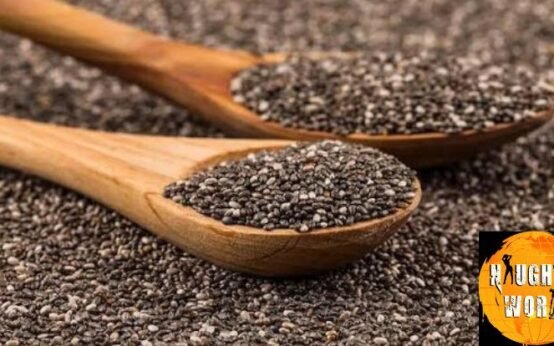 To improve your gut health, doctors suggest having chia seeds.
  IIT Madras and CMC Vellore pioneer AI tools for kidney disease detection
  Hidden calories in “Healthy” foods.
  Apple Cider Vinegar: Risks you shouldn’t ignore.
  Foods that sharpen the mind.
  Every Indian can naturally increase collagen without taking supplements.