
 Ankur Raghav
 Households rush to sell idle assets as the recycling industry gains momentum.
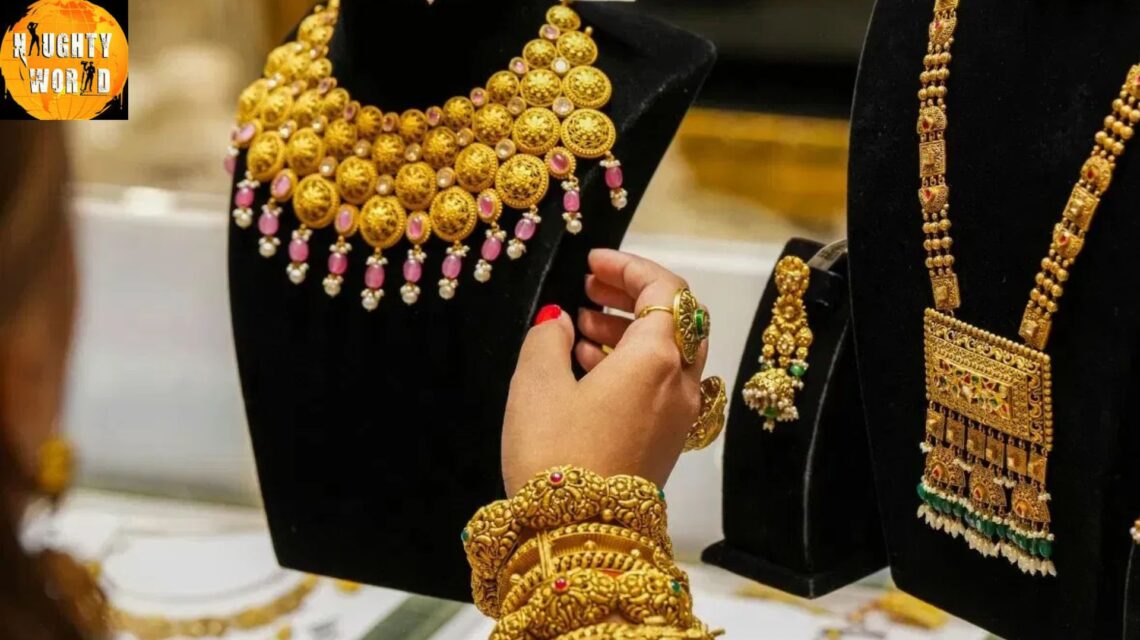
Gold’s glitter has dimmed after a record-breaking rally earlier this year, prompting Indian households to cash in on their old jewellery. With prices slipping from historic highs, many families are seizing the opportunity to book profits before a deeper correction sets in.
During the April-June quarter, sales of old gold surged by 43% compared to last year, amounting to nearly 50 tonnes, according to the India Bullion & Jewellers Association (IBJA). The trend reflects growing caution among consumers who fear that holding on to idle jewellery could mean lower returns if prices continue to slide.
At the Multi Commodity Exchange (MCX), gold was trading around ₹1,44,199 per 10 grams on Friday, well below its peak. Market chatter suggests prices could retreat further, possibly to ₹1.2 lakh per 10 grams, reinforcing the urgency among households to monetise their holdings. “Consumers are leveraging high prices for liquidity,” noted Surendra Mehta, IBJA’s National Secretary, highlighting the sentiment driving this wave of sales.
Globally, gold has come under pressure as expectations of further US Federal Reserve rate hikes dampen its appeal. Higher interest rates typically push investors toward assets that generate returns, reducing demand for gold, which offers none. Rising crude oil prices amid geopolitical tensions have added another layer of uncertainty, further weighing on the precious metal.
Back home, the surge in sales of old gold is proving to be a boon for India’s organised recycling sector. Companies like Muthoot Exim have reported a 40% jump in volumes across their network of Gold Points. “Consumers are increasingly comfortable monetising idle gold through transparent channels,” said Keyur Shah, CEO of Muthoot Exim. Instead of gathering dust in lockers, old jewellery is being refined and reintroduced into the formal economy, supplying manufacturers with recycled gold.
This shift carries broader economic significance. India, one of the world’s largest gold consumers, imports the bulk of its supplyvalued at $72.4 billion in FY26. Recycling contributed 125-150 tonnes in 2025, and industry estimates suggest this could rise to 200–250 tonnes this year if current trends persist. With households collectively holding nearly 30,000 tonnes of gold, organised recycling offers a pathway to reduce dependence on imports while unlocking dormant wealth.
For individuals, the decision to sell should hinge on personal financial needs rather than short-term price swings. While current levels present an attractive opportunity to liquidate unused jewellery, gold remains a vital long-term hedge against inflation, geopolitical risks, and market volatility.

 Nepal issues fresh flood alert as death toll surpasses 900.
  India, Uzbekistan seal Uranium supply pact.
  Nepal hydropower projects in crisis as hundreds remain missing after floods.
  Nepal floods claim 579 lives, hundreds still missing.
  Sadhguru mourns as 80 Isha devotees go missing in Nepal flood.
  Pakistan restores JeM’s bahawalpur base.