
 Ankur Raghav
 Experts and Intelligence reports challenge allegations of massive voter data breach.
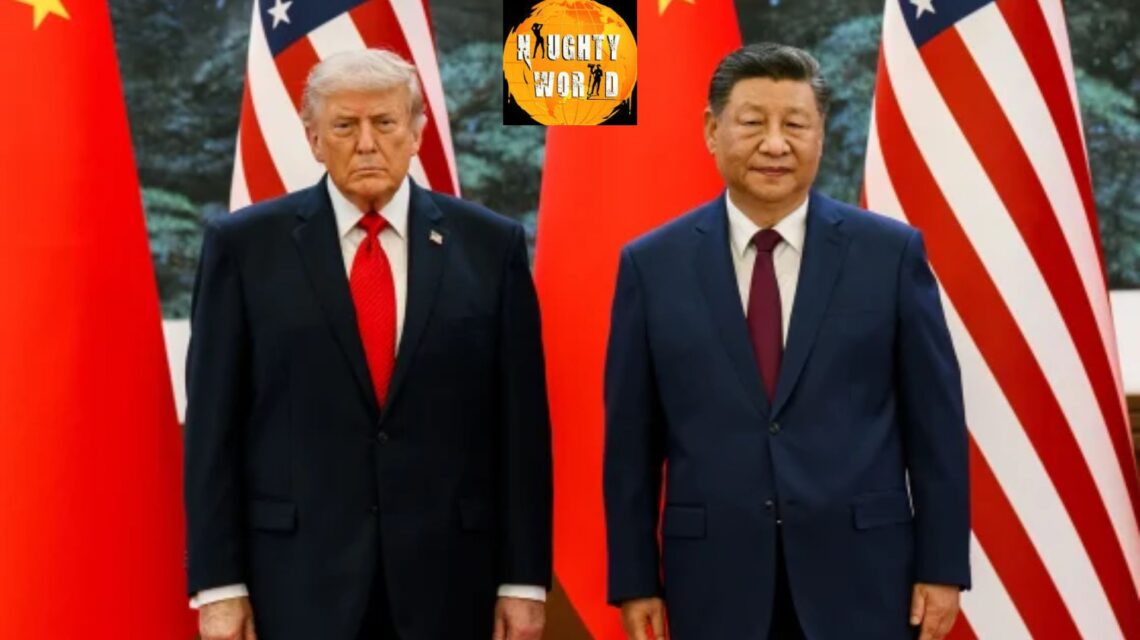
In a prime-time address from the White House, President Donald Trump alleged that China had accessed the personal information of nearly 220 million American voters, describing it as the largest compromise of election data in U.S. history. He claimed intelligence agencies knew of the breach during the 2020 election but withheld the information from him. The timing of this announcement, just months before the midterm elections, has raised questions about its political motivations.
Trump’s remarks tied the alleged breach to his long-standing push for the SAVE Act, a bill that would require proof of citizenship to vote. The White House simultaneously unveiled a new “Election Integrity” section on its website and released declassified documents. These included warnings about foreign adversaries’ capabilities to target election systems, CIA reports alleging Venezuela developed vote-altering tools, a revived case from Michigan involving suspected forged voter registrations, and a Department of Homeland Security review claiming hundreds of thousands of non-citizen registrations nationwide.
Despite the dramatic claims, skepticism remains strong. A post-2020 intelligence assessment acknowledged that China had obtained some voter data but concluded it was used to study American public opinion rather than interfere with the election process. Crucially, the report found no evidence that Beijing attempted to alter votes or outcomes. Cybersecurity experts working with state election officials also report no signs of Chinese interference, noting that much of the voter registration data Trump described is publicly available across several states.
China responded swiftly, with its embassy in Washington denying any involvement in U.S. elections and insisting that outcomes are solely for American voters to decide. On Capitol Hill, reactions split along party lines. Democrats dismissed Trump’s claims as unfounded, with some calling for impeachment over what they described as an attack on public trust in democratic institutions. Republicans, meanwhile, echoed Trump’s concerns and emphasized the need for stricter election safeguards.
Fact-checkers highlighted gaps in Trump’s narrative, noting that while he described the scale of the alleged breach in detail, he did not explain how such a massive transfer of voter data could have occurred. Without evidence of compromised infrastructure or altered votes, experts argue the claim remains more political than factual.
At its core, Trump’s speech reflects his ongoing effort to reframe the 2020 election loss and rally support for new voting restrictions. Yet, with intelligence reports and cybersecurity findings contradicting his assertions, the debate over election integrity remains as much about politics as it is about security.

 Mortgage rates are rising each day; recently, they are nearly 6.91%
 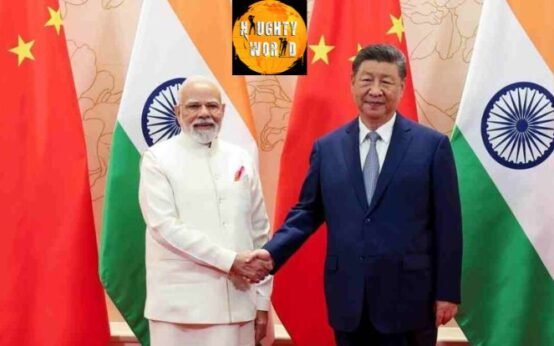 Xi Jinping’s India visit signals diplomatic reset.
  Iranian strike damages US warplanes in Jordan.
  US strikes Iranian tankers after warship attacks.
  UAE’s warning ignored: Netanyahu under fire over Hamas attack.
  Singapore confronts online racism amid rising Xenophobia.