
 Ankur Raghav
 Jaishankar’s push marks New Delhi’s ninth attempt at a non‑permanent seat, with eyes on long‑term reform.
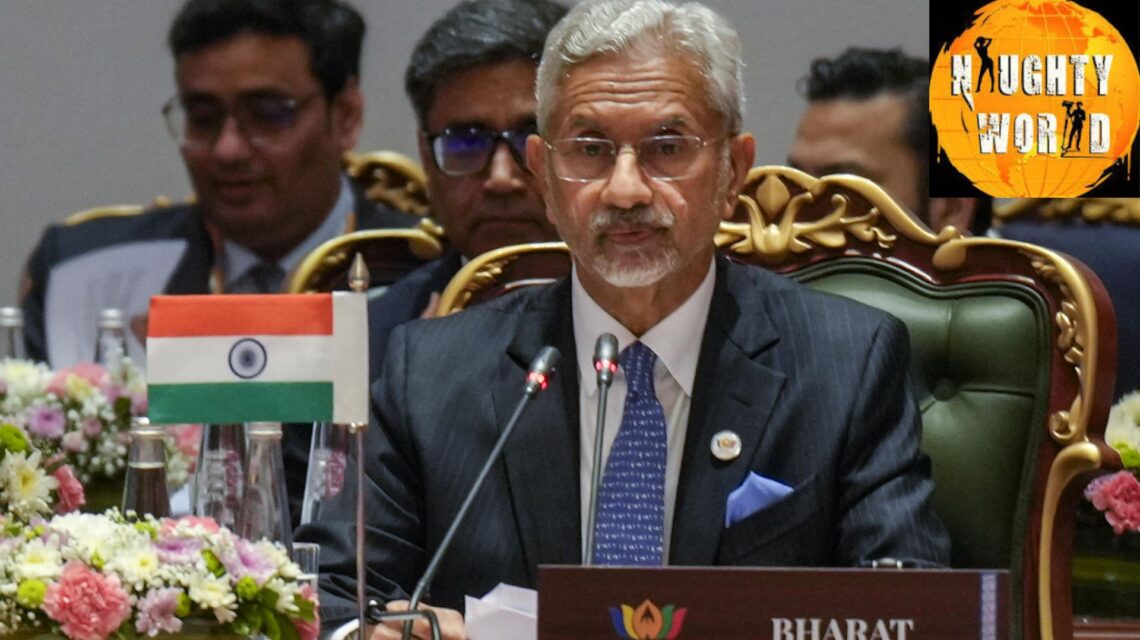
India is preparing to return to the United Nations Security Council (UNSC) as External Affairs Minister S. Jaishankar prepares to unveil the country’s campaign for the 2028-29 term. His visit to New York next week will formally kick off New Delhi’s diplomatic outreach ahead of the 2027 General Assembly elections, where India will contest for the Asia‑Pacific bloc seat.
This marks India’s ninth stint as a non‑permanent member, a role it has held eight times before, most recently in 2021-22. The campaign is not just about securing another two‑year term; it is also a strategic move to reinforce India’s long‑standing demand for reforms in the UNSC, which it argues has remained frozen since the post‑World War II era.
Reform and Representation
India has consistently pressed for a Council that better reflects today’s geopolitical realities. Successive governments have argued that developing nations deserve a stronger voice in both permanent and non‑permanent categories. Jaishankar has echoed this sentiment in recent speeches, stressing that institutions built in the mid‑20th century must adapt to remain credible in addressing modern conflicts and challenges.
India’s case rests on several pillars: its position as the world’s most populous country, its growing economic clout, its role as a leading contributor to UN peacekeeping missions, and its identity as a prominent voice of the Global South. These credentials, New Delhi insists, justify a larger role in shaping global decisions.
Diplomatic Contest
While India’s candidacy is strong, the race is not uncontested. Tajikistan has also announced its bid for the Asia‑Pacific seat, backed by the Organisation of Islamic Cooperation (OIC). This makes coalition‑building crucial, as winning requires a two‑thirds majority in the General Assembly’s secret ballot. Jaishankar’s broader tour of six nationsincluding Gulf states, the US, and Belgium, underscores the importance of securing wide‑ranging support.
India’s Track Record
During its last term, India prioritized maritime security, counterterrorism, peacekeeping, and technology governance, while reiterating its aspiration for permanent membership. That ambition enjoys backing from major powers such as the US, UK, France, and Russia, though reform negotiations have remained inconclusive for decades.
The Road Ahead
India’s latest campaign is both a tactical bid for a non‑permanent seat and a symbolic step toward reshaping global governance. Whether or not reforms materialize soon, New Delhi’s push signals its determination to be recognized not just as a participant, but as a decisive voice in international affairs.

 Mortgage rates are rising each day; recently, they are nearly 6.91%
  Xi Jinping’s India visit signals diplomatic reset.
  Iranian strike damages US warplanes in Jordan.
  US strikes Iranian tankers after warship attacks.
  UAE’s warning ignored: Netanyahu under fire over Hamas attack.
  Singapore confronts online racism amid rising Xenophobia.