

 Ankur Raghav
 Project 75(I) aims to boost naval strength and domestic shipbuilding through advanced technology transfer.
India’s ambitious Project 75(I), stalled for years, is finally showing signs of progress. The proposal for constructing six next-generation conventional submarines, valued at nearly ₹70,000 crore, is expected to be reviewed soon by the Cabinet Committee on Security (CCS). If approved, it will mark a significant leap in India’s naval modernization efforts.
Mazagon Dock Shipbuilders Ltd (MDL) will build the submarines in Mumbai in collaboration with Germany’s ThyssenKrupp Marine Systems (TKMS). This partnership is not just about acquiring new vessels but about strengthening India’s long-term capabilities in underwater warfare. The project emphasizes technology transfer, domestic construction, and the eventual ability to design and upgrade submarines independently.
TKMS has already begun expanding its footprint in India. It has signed agreements with Hyderabad-based VEM Technologies to co-develop heavyweight torpedoes, with local integration and testing. Its subsidiary, ATLAS ELEKTRONIK, is also involved in this effort. Additionally, TKMS has partnered with Mumbai’s CFF Fluid Control to work on anti-submarine warfare systems and is exploring collaborations with the Defence Research and Development Organisation (DRDO). These moves highlight a broader strategy to embed German expertise within India’s defense ecosystem.
The submarines are expected to feature air-independent propulsion (AIP), enabling them to remain submerged far longer than traditional diesel-electric models. They will also be equipped with advanced sensors, torpedoes, missiles, and electronic warfare systems, enhancing India’s ability to conduct extended patrols and sea-denial operations in the Indian Ocean. This capability is particularly crucial as Chinese submarine activity in the region continues to rise.
India’s Navy has been grappling with a shortage of conventional submarines. The six Kalvari-class (Scorpène) submarines built with French assistance have bolstered the fleet, but the last of them, INS Vagsheer, was commissioned only in early 2025. The new German partnership revives India’s long-standing ties with TKMS, which date back to the Shishumar-class submarines of the 1980s, but this time with a stronger focus on indigenous production and self-reliance.
Once CCS approval is granted, the next steps will involve finalizing contracts, defining workshare between MDL and TKMS, and setting timelines for production and maintenance. More than just a procurement deal, Project 75(I) represents India’s determination to build a robust domestic submarine industry capable of meeting future strategic challenges.

 Mortgage rates are rising each day; recently, they are nearly 6.91%
  Xi Jinping’s India visit signals diplomatic reset.
  Iranian strike damages US warplanes in Jordan.
 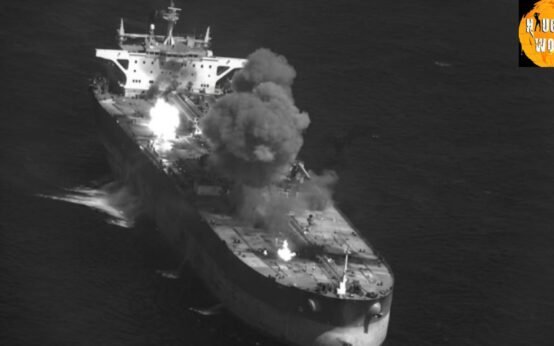 US strikes Iranian tankers after warship attacks.
  UAE’s warning ignored: Netanyahu under fire over Hamas attack.
  Singapore confronts online racism amid rising Xenophobia.