
 Ankur Raghav
 Global tech giant faces scrutiny in India after content removal sparks political uproar.
Meta, the parent company of Facebook, has formally apologised to the Indian government after Prime Minister Narendra Modi’s video message was briefly taken down from the platform last month. The incident, which lasted nearly five hours, triggered widespread criticism and raised questions about the company’s content moderation practices.
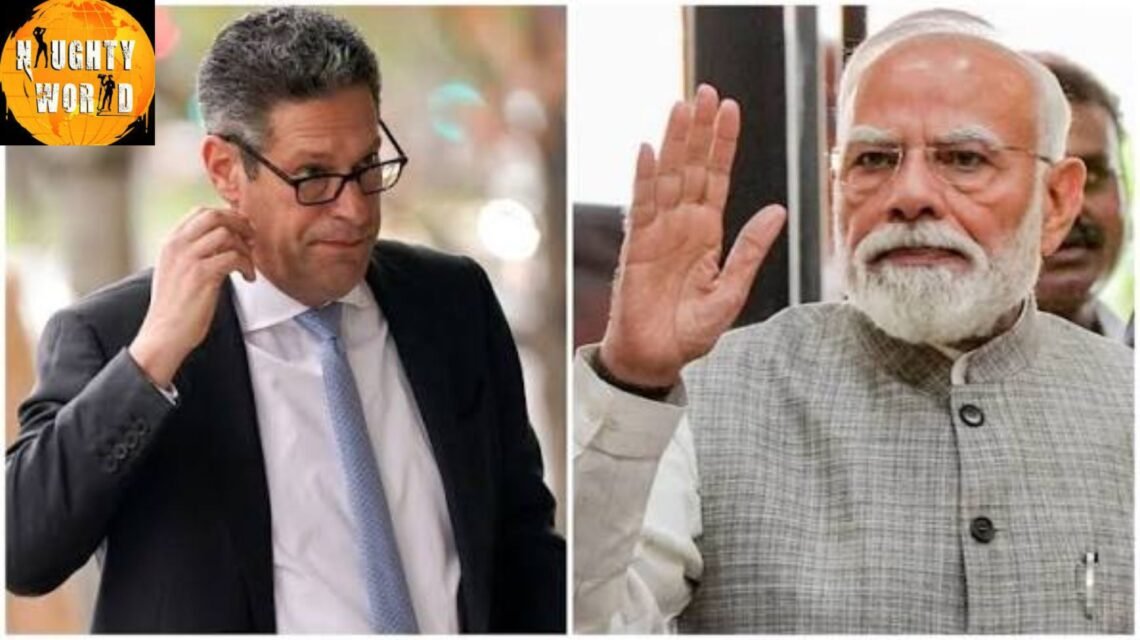
Joel Kaplan, Meta’s chief global officer, met Union Minister for Electronics and IT Ashwini Vaishnaw on Wednesday to convey the apology. “I apologised to the minister on behalf of Meta for the error restricting PM Modi’s post,” Kaplan said in a statement. The meeting followed mounting pressure from lawmakers, including BJP MP Nishikant Dubey, who heads the parliamentary committee on IT. Dubey had demanded that Meta CEO Mark Zuckerberg personally apologise within three days, warning that the company’s statutory immunity could be revoked if it failed to comply.
The restricted post, published on July 28, featured Modi addressing young people and promising strict action against exam paper leaks. Its removal coincided with heightened public anger over student protests and the resignation of former education minister Dharmendra Pradhan. According to Dubey, the video was unavailable between 12:30 am and 5:30 am, a window that sparked accusations of political bias and negligence.
While Meta attributed the removal to a technical glitch, the Ministry of Electronics and IT found the explanation “inadequate.” Officials stressed that safeguards must be in place to prevent such errors, especially when dealing with verified accounts of prominent leaders. Alongside the apology, Meta executives also met IT secretary S. Krishnan to discuss broader concerns, including synthetic content, misinformation, and the handling of child sexual abuse material (CSAM).
The parliamentary committee has demanded stronger action against intermediary platforms that host harmful or exploitative content. Meta’s moderation systems have already come under fire after a BBC investigation reported dozens of advertisements allegedly promoting CSAM, raising alarm among Indian authorities.
Krishnan emphasised that the government expects greater accountability from platforms like Meta. “We would like to understand why some of these systems have not been working as intended, and what challenges they face,” he told reporters.
The controversy highlights the delicate balance between global tech companies and national governments. For Meta, the episode is not just about a temporary glitch, it underscores the growing demand for transparency, responsibility, and stricter oversight in India’s digital ecosystem.

 Mortgage rates are rising each day; recently, they are nearly 6.91%
  Xi Jinping’s India visit signals diplomatic reset.
  Iranian strike damages US warplanes in Jordan.
  US strikes Iranian tankers after warship attacks.
  UAE’s warning ignored: Netanyahu under fire over Hamas attack.
  Singapore confronts online racism amid rising Xenophobia.