
 Ankur Raghav
 Five Key Checks Before You Bite
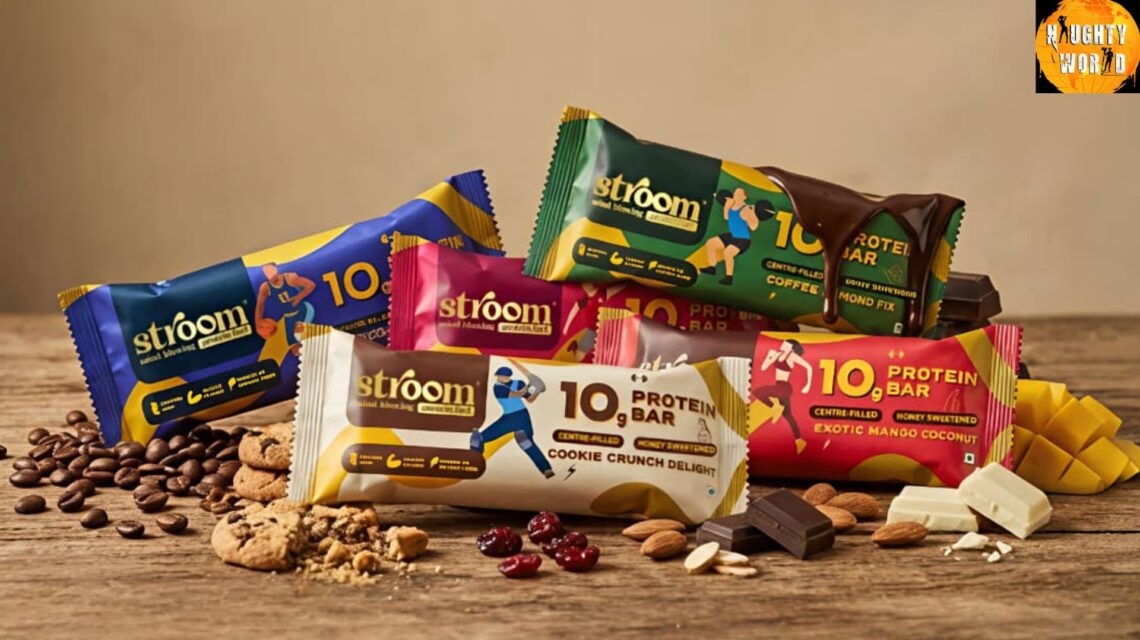
Protein bars have become a go-to snack for people chasing fitness goals or simply looking for a quick energy boost. They’re portable, easy to stash in a bag, and often marketed as a healthier alternative to fast food. But here’s the catch: not every protein bar is as wholesome as it appears. Many are closer to candy bars in disguise, packed with sugar, additives, and low-quality protein sources that can derail your nutrition plan.
Why Some Protein Bars Miss the Mark
The glossy packaging and bold claims often hide the reality. Certain bars contain more than 400 calories, largely from added sugars and refined carbohydrates. Manufacturers may also rely on cheap protein fillers that lack essential amino acids, reducing the bar’s actual nutritional value. Artificial sweeteners, synthetic dyes, and preservatives are common, making these products highly processed rather than genuinely healthy.
What to Look for in a Healthy Bar
If you’re considering protein bars as part of your diet, here are five things worth checking:
- Ingredients List Choose bars made with whole foods like nuts, seeds, oats, or natural protein sources. Avoid those with long ingredient lists full of chemicals and artificial flavors.
- Sugar Content A good protein bar should have less than 5 grams of sugar per serving. Excess sugar not only adds empty calories but also undermines the bar’s health benefits.
- Protein Source Not all protein is equal. Bars with whey, casein, or quality plant-based proteins are better options. Low-grade protein blends may not provide the amino acids your body needs.
- Calorie Count Keep an eye on the total calories. While some bars can serve as meal replacements, others are calorie-dense snacks that may lead to weight gain if eaten mindlessly.
- Fats and Carbs Healthy fats from nuts and seeds are beneficial, but too much saturated fat or refined carbs can make a bar less nutritious overall.
The Bottom Line
Protein bars can be a convenient way to boost your intake, especially on busy days or after workouts. However, they should complement your diet, not replace balanced meals. By paying attention to ingredients, sugar levels, protein quality, and overall nutritional balance, you can choose bars that truly support your health rather than sabotage it.

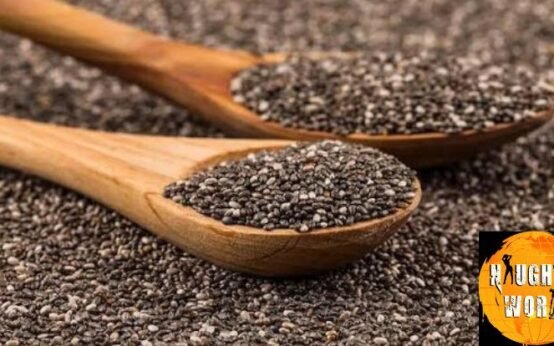 To improve your gut health, doctors suggest having chia seeds.
  IIT Madras and CMC Vellore pioneer AI tools for kidney disease detection
  Hidden calories in “Healthy” foods.
  Apple Cider Vinegar: Risks you shouldn’t ignore.
  India’s battle against Malaria: A decade of progress.
  Foods that sharpen the mind.