
 Ankur Raghav
 India avoids higher penalty, but 10% levy remains.
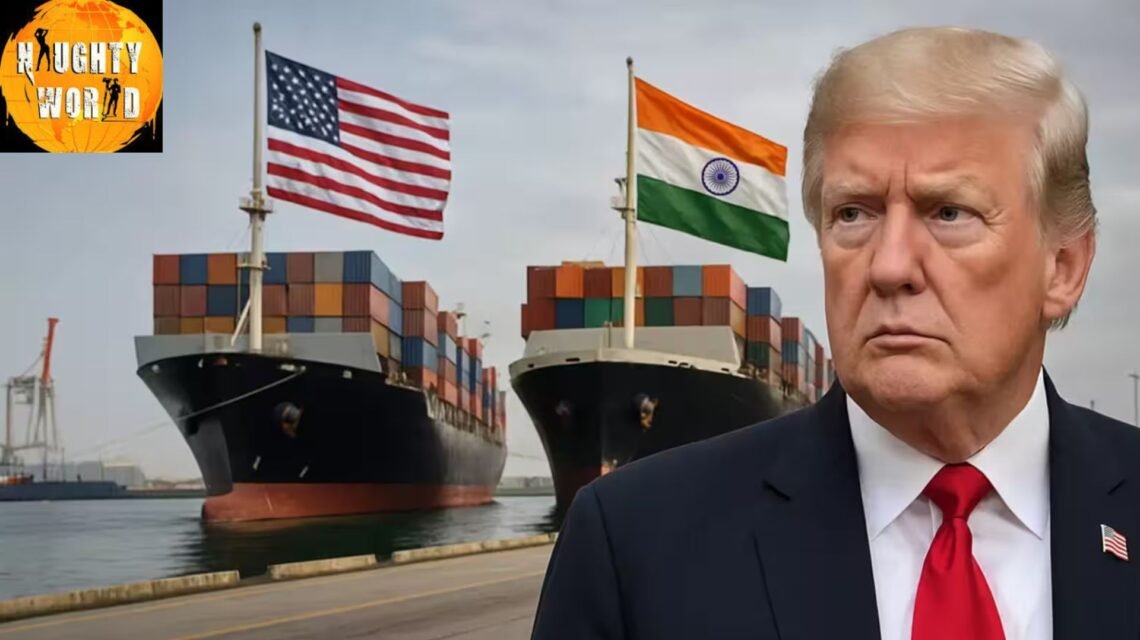
In a sweeping move aimed at reshaping global trade, US President Donald Trump has announced fresh tariffs on more than 60 trading partners, including India, China, and the United Kingdom. The new duties, ranging between 10 and 12.5 percent, are framed as a response to what the administration calls inadequate enforcement of bans on goods produced through forced labour.
The White House order distinguishes between nations with no laws against forced labour imports and those that have enacted such measures but allegedly fail to enforce them. Countries like China, Israel, Japan, and the UK fall into the first category and will face a 12.5 percent tariff. Meanwhile, India, Sri Lanka, the European Union, and several others will be subject to a 10 percent levy, reflecting Washington’s intent to pressure them into stricter enforcement.
For India, the announcement means continuity rather than escalation. Imports from India had already been subject to a 10 percent surcharge following a Supreme Court ruling earlier this year that struck down Trump’s earlier “Liberation Day” tariffs. While Trump initially threatened to raise India’s rate to 12.5 percent, the administration ultimately acknowledged India’s legal framework prohibiting forced labour imports and kept the tariff at 10 percent. Officials noted that India, along with other economies, has either enacted prohibitions or committed to reciprocal trade agreements addressing forced labour.
The timing of the new tariffs is significant. They took effect at 12:01 am on July 24, precisely when the temporary 10 percent levy expired. This synchronized rollout underscores Trump’s determination to rebuild tariff barriers using legal mechanisms less vulnerable to judicial challenges. US Trade Representative Jamieson Greer emphasized that the move is both a human rights measure and a corrective to distortive trade practices, arguing it will improve worker welfare globally.
Exemptions remain in place for certain imports, including oil, gas, and goods covered under the US‑Mexico‑Canada Agreement. However, analysts warn that the broader impact could be substantial, especially for exporters in affected countries who rely heavily on the US market.
Looking ahead, the administration is reportedly preparing another wave of tariffs targeting nations that subsidize excess manufacturing capacity. Such measures would address the flood of low-cost goods that, according to Trump, undermine American industry.
In essence, while India has avoided harsher penalties, the continuation of the 10 percent tariff signals ongoing pressure from Washington. The broader tariff blitz reflects Trump’s strategy to leverage trade policy as both an economic and political tool, reshaping global commerce under the banner of protecting American workers. Trump’s Tariff Offensive Targets Global Trade

 Mortgage rates are rising each day; recently, they are nearly 6.91%
 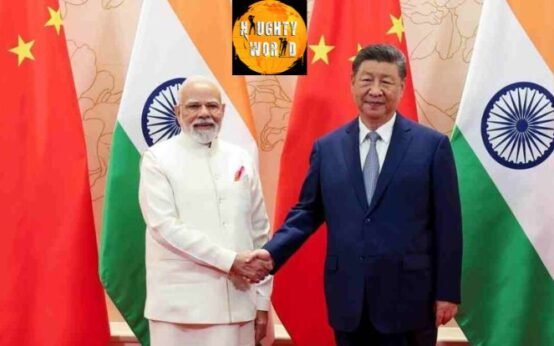 Xi Jinping’s India visit signals diplomatic reset.
  Iranian strike damages US warplanes in Jordan.
 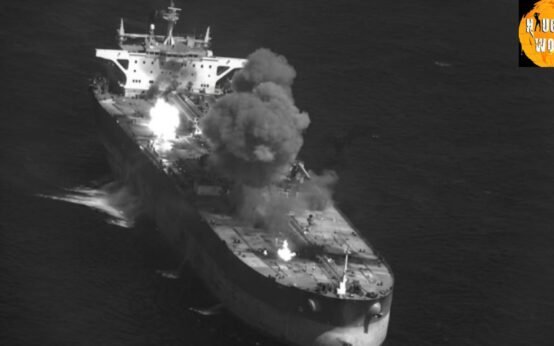 US strikes Iranian tankers after warship attacks.
  UAE’s warning ignored: Netanyahu under fire over Hamas attack.
  Singapore confronts online racism amid rising Xenophobia.