
 Ankur Raghav
 Heavy reliance on long‑range weapons raises concerns over future military readiness.
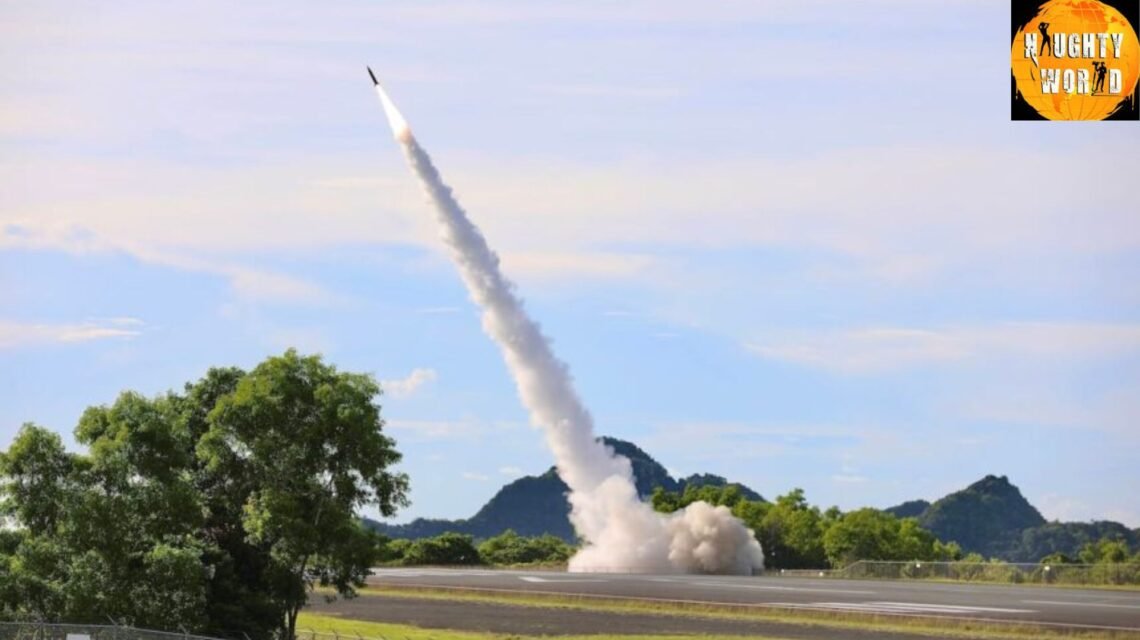
The United States has nearly depleted its stockpile of long‑range precision missiles during the ongoing war with Iran, sparking alarm among defence analysts about the nation’s ability to sustain operations in other theatres. According to individuals familiar with internal assessments, the Army has expended most of its Army Tactical Missile Systems (ATACMS) and newer Precision Strike Missiles (PrSM) since hostilities began in February.
These munitions, valued for their ability to strike targets from safe distances, have been central to US strategy in both Ukraine and Iran. While ATACMS have proven effective in cross‑border strikes, the PrSM- designed to replace ATACMS with greater range and accuracywas already in limited supply before the war. Sources suggest that the Pentagon has had to draw from global reserves to maintain operations in the Middle East.
The depletion of these weapons underscores a broader challenge. Defensive systems such as Patriot interceptors and THAAD batteries have also been heavily used, with estimates indicating that more than half of Patriot stocks and nearly 40 percent of THAAD interceptors have been consumed. The Navy’s Tomahawk cruise missiles, launched from ships and submarines, have likewise been expended at significant levels, reducing one of America’s most reliable strike options.
President Donald Trump, who initiated the campaign against Iran alongside Israel, has dismissed concerns, insisting that the US possesses “far more munitions than anyone in the world” and highlighting record‑level production by defence contractors. Lockheed Martin and Raytheon, the primary manufacturers of these systems, are expanding facilities to meet demand, though experts caution that replenishment will take years.
Military leaders have reportedly advised the administration to moderately large‑scale offensives, warning that dwindling supplies could weaken deterrence against rivals such as Russia and China. Analysts note that long‑range precision weapons are especially critical in conflicts where adversaries maintain strong air defences, making them indispensable in any potential confrontation with Beijing.
The heavy reliance on missiles also reflects a strategic choice to minimize risk to pilots by avoiding manned bombing missions. While effective in reducing casualties, this approach has accelerated the drawdown of stockpiles. The situation has fuelled debate in Washington over the president’s authority to wage war without congressional approval, as no formal authorization has been sought.
As the conflict drags on, the Pentagon faces the dual challenge of sustaining current operations while rebuilding its arsenal. With production pipelines stretched and demand rising across multiple fronts, the United States must balance immediate military needs with long‑term readiness in an increasingly volatile global environment.

 Mortgage rates are rising each day; recently, they are nearly 6.91%
  Xi Jinping’s India visit signals diplomatic reset.
  Iranian strike damages US warplanes in Jordan.
  US strikes Iranian tankers after warship attacks.
  UAE’s warning ignored: Netanyahu under fire over Hamas attack.
  Singapore confronts online racism amid rising Xenophobia.