
 Ankur Raghav
 Citizens urged to stay vigilant and prepare for possible evacuations.
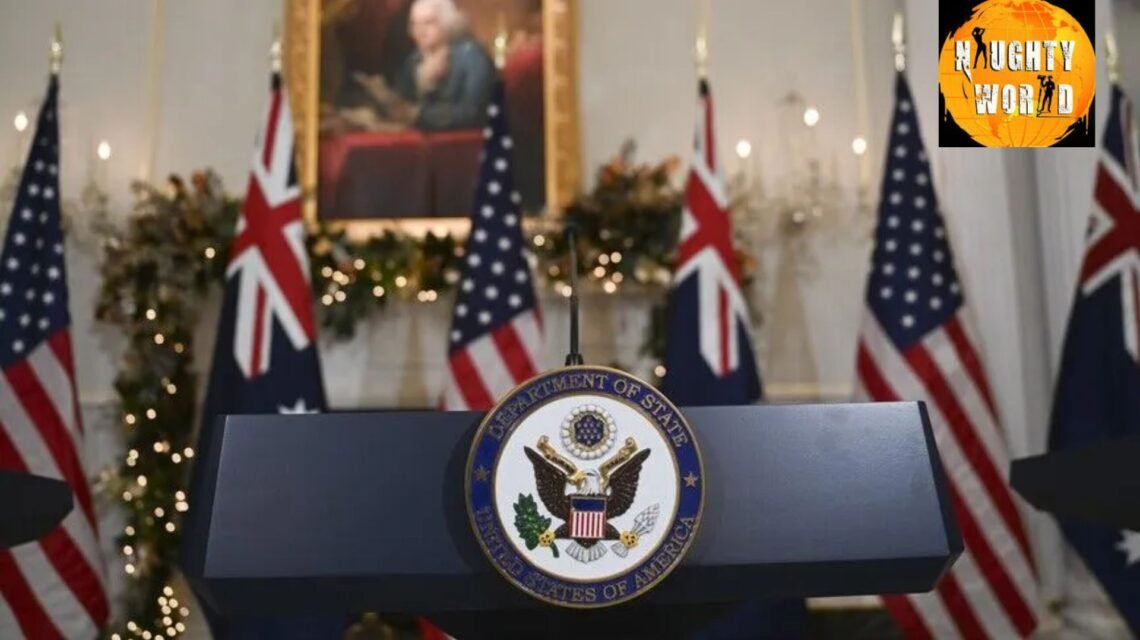
The United States has issued a sweeping advisory to its citizens across the Middle East, cautioning them to remain alert and be ready to leave the region if tensions escalate further. The warning, released simultaneously by US embassies in Bahrain, Iraq, Israel, Jordan, Kuwait, Lebanon, Oman, Qatar, Saudi Arabia, and the United Arab Emirates, reflects growing fears of a wider conflict involving Iran.
The advisory followed President Donald Trump’s remarks at Camp David, where he warned that Washington could strike Iran “very hard” if ongoing negotiations fail. While Trump noted that talks led by senior officialsincluding Jared Kushner, envoy Steve Witkoff, and Secretary of State Marco Rubiowere still underway, he expressed frustration with Tehran’s conduct, accusing it of breaking promises and misrepresenting agreements.
Despite the tough rhetoric, Trump later announced that the US and Israel had agreed to delay planned strikes at the request of regional partners. He claimed progress had been made toward a framework deal that could reopen the Strait of Hormuz, a critical energy corridor largely blocked since hostilities began in late February.
The State Department’s advisory warned Americans to expect flight cancellations, airspace closures, and sudden travel disruptions. Citizens were urged to consider leaving now or be prepared to do so quickly if conditions worsen. Airlines have already suspended or cancelled routes, adding to uncertainty for travellers.
Country-specific alerts highlighted the risks: Americans in Jordan were told to avoid military bases recently hit by Iranian missiles. At the same time, those in Israel were advised to identify nearby bomb shelters. In Lebanon, the US Embassy continues to operate under “ordered departure status,” meaning non-essential staff remain outside the country.
The advisory also cautioned that US diplomatic facilities and businesses abroad could be targeted by Iran or groups aligned with it. Past incidents, officials noted, show that American institutions worldwide remain vulnerable.
Iran’s response was swift. Foreign Minister Abbas Araqchi warned regional leaders that Tehran would retaliate decisively against any US or Israeli strikes. Iranian-linked media outlets threatened attacks on oil and gas infrastructure in Saudi Arabia, the UAE, Qatar, and Israel if Washington targeted Iran’s energy sector.
With both sides trading warnings, the situation remains volatile. For US citizens in the region, the message is clear: stay vigilant, monitor official updates, and be ready to depart at short notice.

 Mortgage rates are rising each day; recently, they are nearly 6.91%
  Xi Jinping’s India visit signals diplomatic reset.
 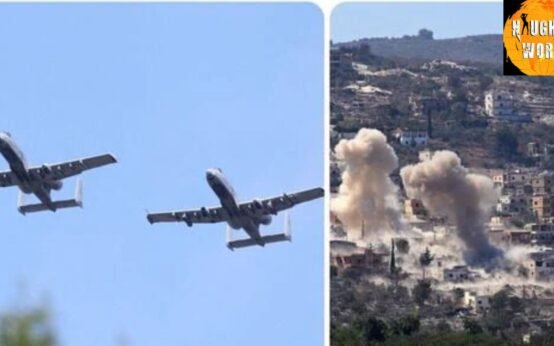 Iranian strike damages US warplanes in Jordan.
 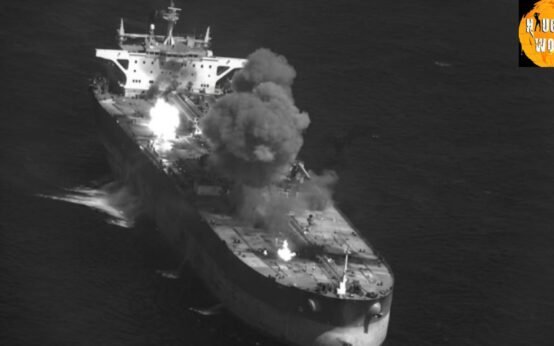 US strikes Iranian tankers after warship attacks.
 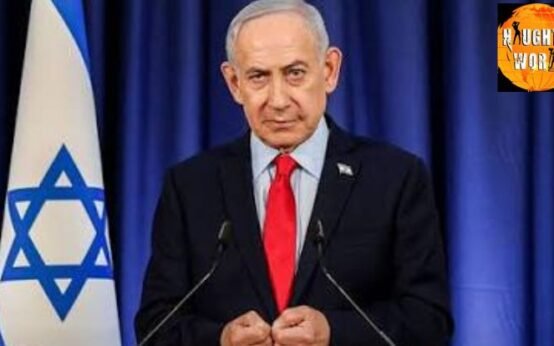 UAE’s warning ignored: Netanyahu under fire over Hamas attack.
  Singapore confronts online racism amid rising Xenophobia.