
 Kritika Gaur
 How Rising Temperatures and Unpredictable Rainfall Are Redrawing the Map of Disease
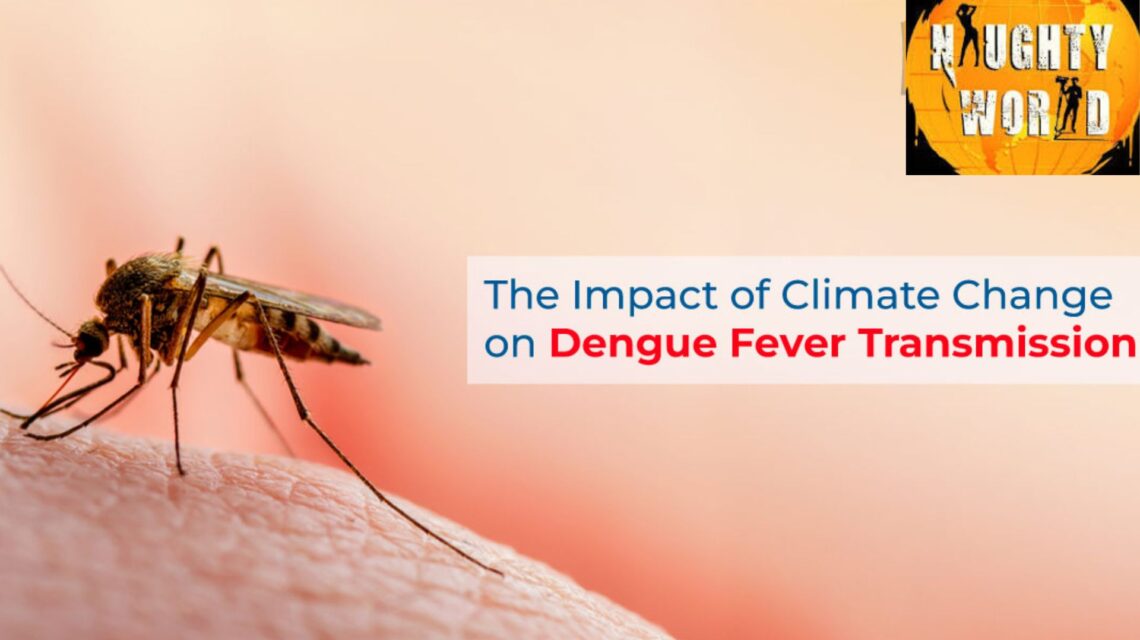
Dengue, once thought of as a seasonal illness confined to tropical regions, is now breaking those boundaries. Across India and many parts of the world, outbreaks are appearing earlier, lasting longer, and spreading into areas that previously saw little or no dengue activity. The driving force behind this shift is climate change, which is altering the very conditions that allow mosquitoes to thrive.
At the heart of dengue transmission lies the Aedes mosquito. These insects flourish in warm, humid environments and breed in stagnant water found in everyday settings like flowerpots, coolers, tyres, construction sites, and uncovered containers. As global temperatures rise, the lifecycle of mosquitoes accelerates. They mature faster, bite more often, and live longer, all of which increase the chances of spreading the virus. Warmer weather also shortens the time it takes for the dengue virus to develop inside the mosquito, enabling quicker transmission.
Rainfall patterns add another layer of complexity. Heavy downpours and flooding leave behind pools of water that become breeding grounds. On the other hand, droughts can also heighten risk, as households often store water in containers that, if left uncovered, provide ideal conditions for mosquito growth. This means dengue is no longer tied strictly to the monsoon season, it can emerge unpredictably throughout the year.
Perhaps most concerning is the geographical expansion of dengue. Rising temperatures are allowing mosquitoes to survive in regions that were once too cool, including higher-altitude and temperate zones. Communities with little prior exposure are now facing outbreaks, stretching public health systems that may not be prepared for the disease. While extreme heat can reduce mosquito survival in some areas, the overall trend points toward a wider spread of dengue risk.
Urbanisation compounds the problem. Crowded cities, poor drainage, ongoing construction, and irregular water supplies create perfect breeding conditions. Increased travel and daily movement of people further enable the virus to spread from one community to another, turning local outbreaks into regional challenges.
Despite the global scale of climate change, prevention begins at home. Simple steps like covering water containers, cleaning coolers and drains, disposing of discarded items, and using repellentscan make a significant difference. Since Aedes mosquitoes are most active during the day, protective clothing and vigilance in daylight hours are especially important.
Dengue’s changing patterns are a reminder that climate change is not just an environmental issue, it is a public health challenge. While tackling global warming requires collective action, safeguarding against dengue starts with consistent, small measures in our immediate surroundings.

 To improve your gut health, doctors suggest having chia seeds.
  IIT Madras and CMC Vellore pioneer AI tools for kidney disease detection
  Hidden calories in “Healthy” foods.
  Apple Cider Vinegar: Risks you shouldn’t ignore.
  India’s battle against Malaria: A decade of progress.
  Foods that sharpen the mind.