

 Abhay Singh
 How Weight Training Boosts Longevity and Protects Health.
Strength training has often been associated with sculpted physiques and athletic performance. Yet new evidence suggests its impact goes far deeper, influencing how long we live and how well our bodies age. A recent analysis of three major U.S. studies, tracking nearly 150,000 nurses and health professionals over three decades, reveals that lifting weights can significantly reduce the risk of early death.
Participants reported their exercise habits every few years, including time spent on aerobic activities such as walking, cycling, or swimming, as well as on resistance training. Over the past 30 years, about 36,000 deaths were recorded, allowing researchers to examine how strength training influenced survival. The findings were striking: those who engaged in 90 to 120 minutes of weekly weightlifting had a 13% lower risk of dying from any cause compared to those who did none.
The benefits were most pronounced in two critical areas. Cardiovascular disease deaths dropped by 19%, while deaths linked to neurological conditions, particularly dementia, fell by 27%. Interestingly, more was not always better, beyond two hours of weekly strength training, the protective effect plateaued.
The greatest reduction in risk came when strength training was combined with aerobic exercise. Meeting the recommended 150 minutes of moderate aerobic activity per week already lowered mortality by 26–43%. But pairing that with one to two hours of resistance training reduced the risk of death by nearly 45%. Aerobic exercise provided the bulk of the benefit, yet the synergy between the two forms of activity proved most powerful.
Why does muscle matter so much? Skeletal muscle is metabolically active, absorbing most of the glucose from meals and helping regulate blood sugar. This protects against type 2 diabetes, a major driver of heart disease. Contracting muscles also release myokinesmessenger molecules that reduce inflammation and support communication between organs, including the brain. Over time, resistance training lowers blood pressure, keeps arteries flexible, and strengthens bones, reducing frailty and falls in older adults.
Grip strength, often used as a proxy for overall muscle health, has even been shown to predict mortality more accurately than blood pressure. Emerging evidence also links resistance training to better brain health, likely through improved circulation and metabolic control.
While the study was observational and cannot prove causation, the message is clear: modest, consistent strength training alongside regular aerobic activity is both achievable and profoundly beneficial. Two sessions a week targeting major muscle groups, plus daily movement, may be enough to add yearsand qualityto life.

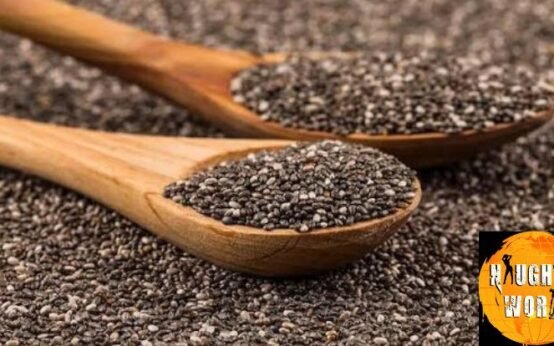 To improve your gut health, doctors suggest having chia seeds.
  IIT Madras and CMC Vellore pioneer AI tools for kidney disease detection
  Hidden calories in “Healthy” foods.
  Apple Cider Vinegar: Risks you shouldn’t ignore.
  India’s battle against Malaria: A decade of progress.
 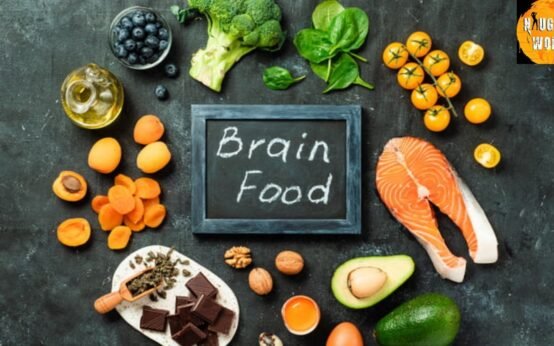 Foods that sharpen the mind.