
 Abhay Singh
 Government Tightens Rules on Cough and Cold Syrups to Safeguard Public Health
The Ministry of Health and Family Welfare has introduced a significant regulatory change that will directly affect how syrup-based medicines are sold across India. Through a Gazette Notification issued on December 29, 2025, the government has removed the word “Syrup” from Schedule K, Serial No. 13, Entry 7 of the Drugs Rules, 1945. This seemingly small amendment carries major implications: all medicinal syrups, including cough and cold formulations, will now require a doctor’s prescription before they can be dispensed.
Previously, certain syrups were categorized as household remedies and could be purchased over the counter, especially in rural areas with limited access to licensed pharmacies. Villages with populations under 1,000 were allowed to sell cough syrups without a registered pharmacist or a formal drug license. That exemption has now been withdrawn. As a result, even in smaller communities, syrups can only be sold through licensed outlets in compliance with the Drugs and Cosmetics Act, 1940.
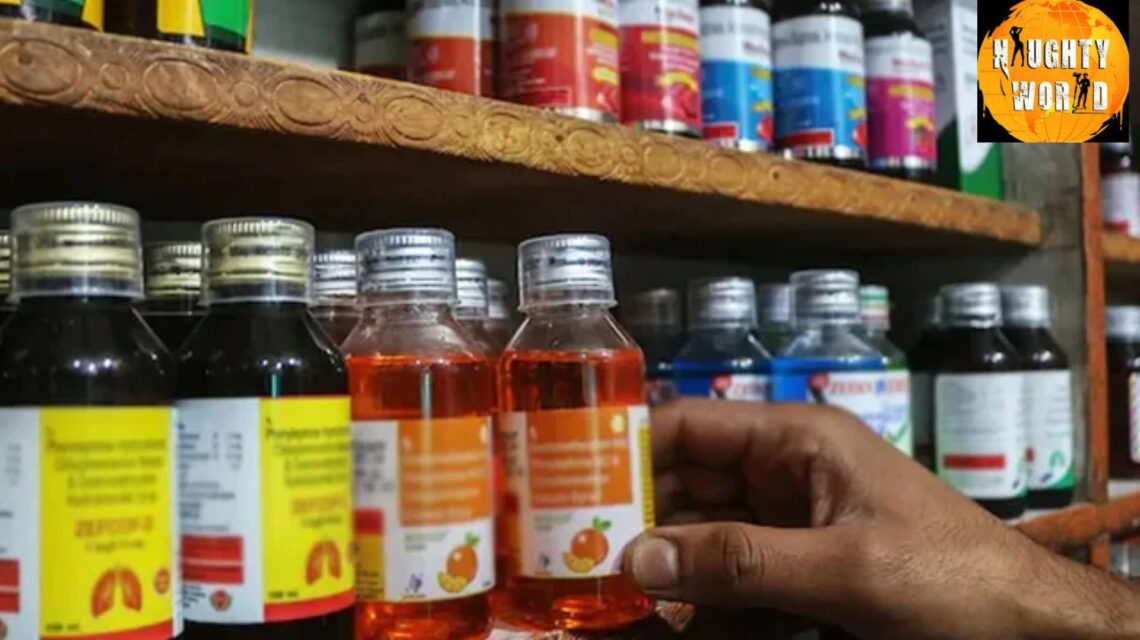
The new rule specifically impacts cough and cold syrups, which are among the most commonly used liquid medicines. Expectorants and mucolytics containing Ambroxol, Guaifenesin, or Bromhexine, as well as antitussives like Dextromethorphan, will no longer be available without a prescription. Combination syrups that mix decongestants and antihistamines for flu or allergy relief also fall under this restriction. Pediatric oral suspensions, including liquid forms of paracetamol and ibuprofen, are similarly affected. While tablets of these medicines remain exempt, their syrup versions now require medical approval.
Importantly, the amendment applies only to liquid syrup formulations. Other everyday remedies, such as cough lozenges, throat tablets, paracetamol pills, aspirin, antacids, analgesic balms, topical antiseptics, and oral rehydration salts (ORS) powders, remain available over the counter.
This policy shift follows a series of tragic incidents in which contaminated cough syrups were linked to child fatalities. The events sparked widespread concern and calls for stricter oversight of syrup manufacturing and distribution. By mandating prescriptions, the government aims to strengthen monitoring, reduce misuse, and ensure that patients receive syrups only under professional medical guidance.
Chemists across the country are now legally bound to verify prescriptions from registered medical practitioners before dispensing any syrup-based medicine. The move underscores the government’s commitment to aligning drug regulations with contemporary public health needs and preventing avoidable risks associated with unsupervised consumption.

 To improve your gut health, doctors suggest having chia seeds.
  IIT Madras and CMC Vellore pioneer AI tools for kidney disease detection
  Hidden calories in “Healthy” foods.
  Apple Cider Vinegar: Risks you shouldn’t ignore.
  India’s battle against Malaria: A decade of progress.
  Foods that sharpen the mind.